Introduction: HEC Becomes a Key Functional Additive in Modern Textile Printing
The textile printing industry is continuously evolving toward higher precision, better color performance, and more environmentally responsible production processes. As fashion brands and textile manufacturers demand sharper patterns, improved color consistency, and efficient printing processes, the role of functional additives in printing paste formulations has become increasingly important.
Among various thickening agents used in textile printing, Hydroxyethyl Cellulose (HEC) has attracted significant attention due to its excellent rheological control, water retention ability, compatibility with dyes and pigments, and environmentally friendly characteristics.
HEC is a non-ionic cellulose ether derived from natural cellulose through chemical modification. Because of its unique molecular structure, HEC can effectively adjust printing paste viscosity, improve screen stability, prevent color bleeding, and enhance the clarity of printed patterns.
In textile printing systems, the quality of the printing paste directly influences:
- Pattern sharpness
- Dye penetration
- Color brightness
- Printing consistency
- Fabric appearance
- Production efficiency
A properly designed HEC-based printing paste provides balanced flow behavior: it remains stable during storage, transfers smoothly through printing screens, and maintains sufficient viscosity after application on fabrics.
1. What Is Hydroxyethyl Cellulose (HEC)?
Hydroxyethyl Cellulose (HEC) is a water-soluble, non-ionic cellulose ether produced by reacting cellulose with ethylene oxide under controlled alkaline conditions.
The introduction of hydroxyethyl groups improves cellulose solubility and provides excellent thickening properties.
Basic Characteristics of HEC
|
Property |
Description |
|
Chemical name |
Hydroxyethyl Cellulose |
|
Chemical family |
Non-ionic cellulose ether |
|
Raw material |
Natural cellulose |
|
Appearance |
White or light-yellow powder |
|
Solubility |
Soluble in cold and hot water |
|
Ionic nature |
Non-ionic |
|
Main function |
Thickener and rheology modifier |
|
Application field |
Textile printing, coatings, cosmetics, oil drilling, construction |
HEC is widely used because it provides stable viscosity without reacting strongly with salts, dyes, or other components commonly present in textile printing formulations.
2. Why Viscosity Control Is Critical in Textile Printing
Printing paste viscosity is one of the most important factors affecting textile printing quality.
If the viscosity is too low:
- Printing paste spreads excessively
- Pattern edges become blurred
- Colors migrate into surrounding areas
- Fine designs lose definition
If viscosity is too high:
- Printing screens may clog
- Paste transfer becomes difficult
- Uneven printing may occur
- Fabric penetration decreases
Therefore, textile printing requires a thickener that can provide:
- Appropriate viscosity
- Good shear thinning behavior
- Excellent storage stability
- Smooth printing performance
HEC meets these requirements through its unique molecular structure.
Table 1: Effect of Printing Paste Viscosity on Printing Quality
|
Paste Viscosity Condition |
Printing Performance |
Possible Problems |
|
Too low |
Poor pattern control |
Blurred edges, color bleeding |
|
Medium and stable |
Excellent printing accuracy |
High-quality patterns |
|
Too high |
Poor paste transfer |
Screen blocking, uneven coating |
3. The Working Mechanism of HEC in Textile Printing Paste
HEC improves textile printing performance through several mechanisms.
3.1 Molecular Thickening Effect
HEC molecules contain many hydroxyl groups that interact strongly with water molecules.
When dissolved in water:
- HEC chains expand
- Polymer networks form
- Water movement becomes restricted
- Printing paste viscosity increases
This creates a stable paste structure suitable for printing operations.
3.2 Rheology Modification
One of the most valuable features of HEC is its pseudoplastic behavior.
A pseudoplastic fluid:
- Has high viscosity when stationary
- Becomes thinner under shear force
- Recovers viscosity after printing
This property is ideal for screen printing.
During printing:
- The squeegee applies pressure
- Paste viscosity decreases
- Paste passes through screen openings easily
After printing:
- Shear force disappears
- Viscosity recovers
- Printed patterns remain stable
Table 2: Rheological Advantages of HEC in Printing Paste
|
Feature |
Benefit |
|
High viscosity at rest |
Prevents paste spreading |
|
Shear thinning behavior |
Improves screen transfer |
|
Rapid viscosity recovery |
Maintains pattern accuracy |
|
Stable molecular structure |
Improves storage stability |

4. HEC Improves Pattern Clarity in Textile Printing
Pattern clarity is a major indicator of textile printing quality.
Modern textiles often include:
- Fine lines
- Complex geometric designs
- Small characters
- Multicolor patterns
These designs require precise paste control.
HEC improves pattern clarity by:
4.1 Reducing Color Migration
During printing, dyes may spread through fabric fibers due to excessive liquid movement.
HEC controls water mobility and reduces uncontrolled dye migration.
Benefits include:
- Cleaner edges
- Higher design accuracy
- Reduced background staining
4.2 Improving Screen Definition
In screen printing, the printing paste must release from the screen accurately.
HEC provides:
- Controlled paste flow
- Better screen release
- Reduced dripping
This results in sharper printed images.
4.3 Maintaining Uniform Printing Thickness
Uneven paste deposition can create:
- Light and dark areas
- Unequal color intensity
- Printing defects
HEC helps maintain consistent paste distribution across the fabric surface.
Table 3: HEC Contribution to Pattern Quality
|
Quality Factor |
Role of HEC |
|
Edge sharpness |
Controls paste spreading |
|
Fine pattern reproduction |
Improves rheological stability |
|
Color uniformity |
Ensures even dye distribution |
|
Printing repeatability |
Maintains consistent viscosity |
5. Application of HEC in Different Textile Printing Systems
5.1 Reactive Dye Printing
Reactive dyes are widely used for cotton and cellulose fiber printing.
Challenges include:
- Dye migration
- Uneven penetration
- Low pattern sharpness
HEC improves reactive dye printing by:
- Stabilizing printing paste
- Controlling moisture movement
- Improving color yield
5.2 Pigment Printing
Pigment printing requires binders and thickeners to hold pigments on fabric surfaces.
HEC provides:
- Good compatibility with pigment systems
- Stable viscosity
- Smooth printing behavior
5.3 Digital Textile Printing
Digital printing requires precise ink rheology.
Although specialized inks are commonly used, cellulose-based additives such as HEC can support:
- Ink stability
- Flow control
- Improved surface wetting
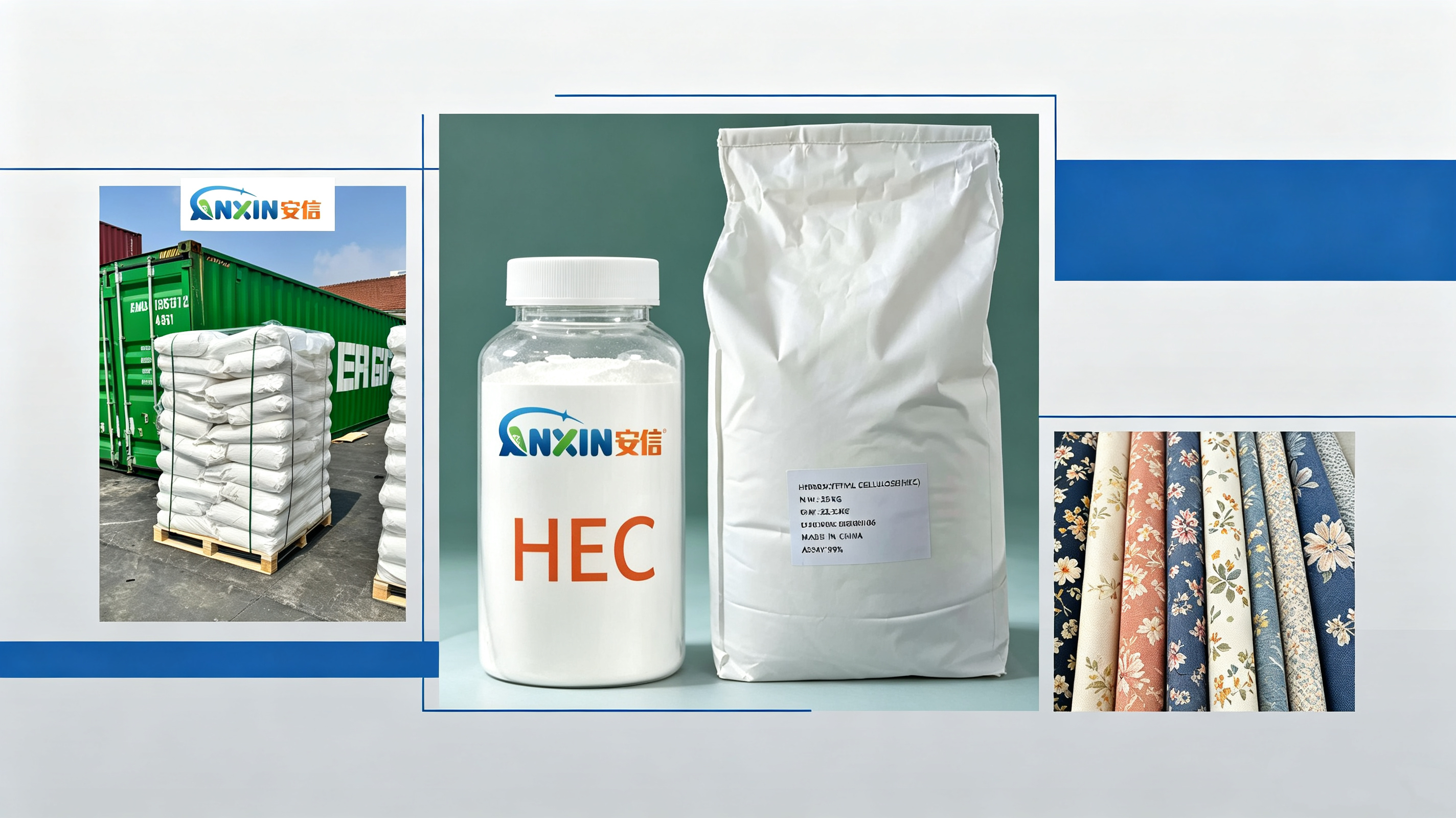
Table 4: HEC Applications in Different Textile Printing Methods
|
Printing Method |
Main Challenge |
HEC Function |
|
Reactive dye printing |
Dye migration |
Viscosity control |
|
Pigment printing |
Pigment stability |
Thickening and suspension |
|
Discharge printing |
Paste stability |
Rheology improvement |
|
Screen printing |
Pattern precision |
Flow control |
|
Digital printing |
Ink stability |
Viscosity adjustment |
6. Advantages of HEC Compared With Traditional Textile Thickeners
Traditional textile printing thickeners include:
- Sodium alginate
- Starch derivatives
- Synthetic polymers
- Guar gum
Compared with these materials, HEC provides unique advantages.
Table 5: Comparison of HEC With Other Textile Printing Thickeners
|
Thickener |
Advantages |
Limitations |
|
HEC |
Excellent viscosity control, non-ionic, stable |
Higher cost than some natural thickeners |
|
Sodium alginate |
Good dye compatibility |
Sensitive to processing conditions |
|
Starch |
Low cost |
Limited stability |
|
Guar gum |
Natural origin |
Poor storage stability |
|
Synthetic acrylic thickener |
Strong thickening |
Possible environmental concerns |
7. Factors Affecting HEC Performance in Textile Printing
The performance of HEC depends on several factors.
7.1 Molecular Weight
Higher molecular weight HEC generally provides:
- Higher viscosity
- Stronger thickening ability
- Better paste stability
However, excessive molecular weight may reduce printing smoothness.
7.2 Degree of Substitution (DS)
The substitution degree affects:
- Water solubility
- Thickening efficiency
- Compatibility
Proper DS ensures good balance between viscosity and processing performance.
7.3 HEC Concentration
The amount of HEC directly influences paste viscosity.
Typical dosage depends on:
- Fabric type
- Dye system
- Printing method
- Required viscosity
Table 6: Factors Affecting HEC Printing Performance
|
Factor |
Effect |
|
Molecular weight |
Controls viscosity level |
|
Substitution degree |
Influences solubility |
|
Dosage |
Determines paste thickness |
|
Temperature |
Affects hydration speed |
|
pH value |
Influences stability |
8. Recommended HEC Selection Guide for Textile Printing
Choosing the correct HEC grade is essential.
Low Viscosity HEC
Suitable for:
- Digital printing systems
- Low-solid formulations
- Fine pattern printing
Medium Viscosity HEC
Suitable for:
- General screen printing
- Pigment printing
High Viscosity HEC
Suitable for:
- Heavy fabric printing
- Thick paste applications
Table 7: HEC Grade Selection
|
HEC Grade |
Viscosity Level |
Application |
|
Low viscosity HEC |
Low |
Digital printing |
|
Medium viscosity HEC |
Medium |
Standard textile printing |
|
High viscosity HEC |
High |
Thick paste printing |
9. Environmental Benefits of Using HEC in Textile Printing
Sustainability has become a major focus in textile manufacturing.
HEC provides several environmental advantages:
Renewable Raw Material
HEC is produced from cellulose, a renewable natural polymer.
Biodegradable Characteristics
Compared with some synthetic thickeners, cellulose ethers offer better environmental compatibility.
Reduced Printing Waste
Better paste control reduces:
- Excess dye usage
- Printing defects
- Material waste
10. Future Development Trends of HEC in Textile Printing
The future textile industry will demand:
- Lower environmental impact
- Higher printing precision
- Digital manufacturing
- Reduced water consumption
HEC is expected to play a larger role because of:
- Improved modified grades
- Better rheology control
- Compatibility with eco-friendly dyes
- Sustainable production requirements
Frequently Asked Questions (FAQ)
Q1: What is the main function of HEC in textile printing?
HEC mainly works as a thickener and rheology modifier. It improves printing paste viscosity, prevents color spreading, and enhances pattern clarity.
Q2: Why is HEC better than some traditional thickeners?
HEC provides stable viscosity, excellent shear-thinning behavior, good compatibility, and better storage stability compared with many traditional thickeners.
Q3: Can HEC be used for pigment printing?
Yes. HEC is compatible with pigment printing systems and helps stabilize pigment dispersion and improve printing consistency.
Q4: Does HEC affect fabric color brightness?
Yes. By improving paste stability and controlling dye movement, HEC can contribute to better color uniformity and brightness.
Q5: How much HEC is used in textile printing paste?
The dosage depends on printing requirements, dye type, and fabric conditions. Generally, optimization tests are required to achieve the desired viscosity.
Q6: Is HEC environmentally friendly?
HEC is cellulose-based and offers advantages in sustainability compared with many synthetic polymer thickeners.
Q7: What factors should be considered when selecting HEC for textile printing?
Important factors include viscosity grade, molecular weight, substitution degree, printing method, and compatibility with dyes.
Hydroxyethyl Cellulose (HEC) has become an important functional additive in modern textile printing because of its excellent ability to control printing paste viscosity and improve pattern clarity.
By providing stable rheological behavior, reducing color migration, improving screen printing performance, and supporting sustainable production goals, HEC helps textile manufacturers achieve higher-quality printed fabrics.
As textile printing continues moving toward precision manufacturing and environmentally responsible production, HEC will remain a valuable cellulose ether solution for improving printing efficiency, product quality, and process stability.
Post time: Jul-14-2026