The global coatings industry is experiencing significant transformation driven by environmental regulations, technological advancement, and increasing performance requirements. Modern coatings are expected not only to provide decoration and protection but also to offer enhanced durability, sustainability, and multifunctional performance.
Within this changing landscape, cellulose ethers such as Hydroxypropyl Methyl Cellulose (HPMC) and Hydroxyethyl Cellulose (HEC) have become essential additives in water-based coating systems. These materials serve as rheology modifiers, thickeners, stabilizers, and water-retention agents that improve both formulation quality and coating performance.
HPMC and HEC have gained increasing importance because they support environmentally friendly coating systems while enhancing application characteristics and long-term stability. As coating technologies continue evolving, several major trends are directly influencing the demand and application of HPMC and HEC.
This article examines three major coating industry trends and explores how HPMC and HEC are shaping the future of coating technologies.
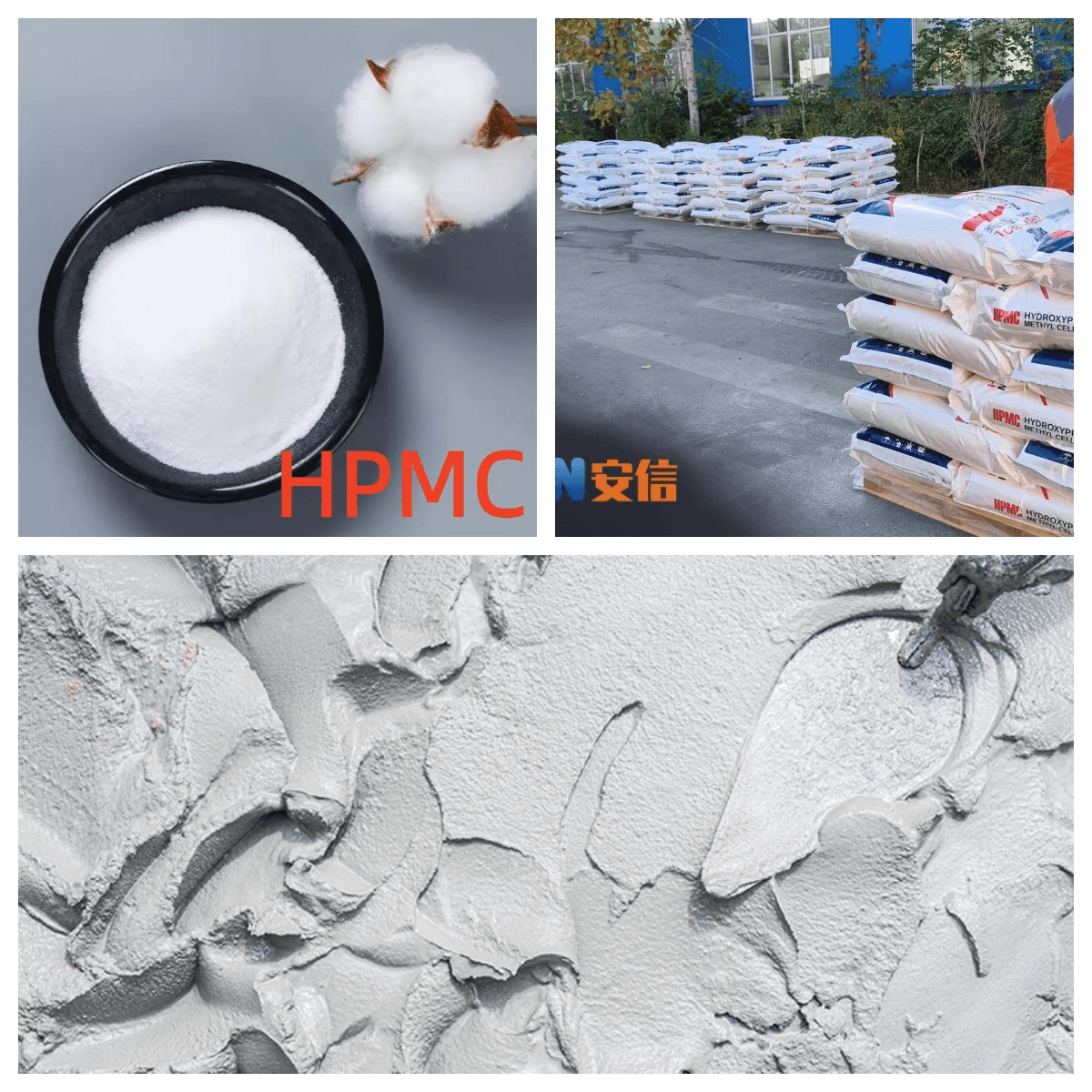
Trend 1: Rapid Growth of Sustainable Water-Based Coatings
Environmental Regulations Driving Industry Changes
Global environmental standards continue becoming stricter regarding VOC emissions and hazardous chemical usage. Traditional solvent-based coatings often contain large amounts of volatile organic compounds that can contribute to environmental pollution and health concerns.
As a result, manufacturers increasingly shift toward water-based systems. HPMC and HEC play critical roles in this transition because they function effectively in aqueous formulations.
Advantages include:
● Lower VOC emissions
● Reduced environmental impact
● Improved workplace safety
● Better compliance with regulations
● Enhanced sustainability profiles
The Role of HEC in Water-Based Paints
HEC is one of the most commonly used cellulose ethers in latex paint formulations because of its excellent thickening and rheological properties.
HEC contributes to:
Viscosity control
HEC helps achieve suitable formulation consistency.
Pigment suspension
It prevents fillers and pigments from settling during storage.
Improved application properties
Brushability, roller performance, and spray application improve significantly.
Enhanced storage stability
Paint maintains uniformity throughout shelf life.
Because water-based coatings continue growing worldwide, demand for HEC is increasing steadily.
The Role of HPMC in Specialized Coatings
HPMC is also widely used in coating systems requiring controlled water retention and enhanced film formation characteristics.
Benefits include:
● Improved moisture control
● Better leveling performance
● Enhanced coating uniformity
● Improved anti-sag behavior
HPMC supports stable formulations while maintaining environmentally friendly characteristics.
Trend 2: Increasing Demand for High-Performance Functional Coatings
Modern Coatings Require More Than Decoration
Traditional coating applications focused mainly on color and protection. Modern coatings increasingly require multiple functions, including:
● Thermal insulation
● Water resistance
● Corrosion protection
● Fire resistance
● Antimicrobial activity
● Self-cleaning capability
Meeting these requirements often depends on advanced formulation technologies involving specialized additives.
How HEC Improves Functional Coatings
HEC contributes to high-performance coatings by improving rheology and formulation stability.
Benefits include:
Uniform distribution of functional materials
Special additives remain evenly dispersed throughout the coating system.
Improved film quality
Coatings form more consistent surfaces.
Reduced defects
Sagging, cracking, and phase separation decrease.
Enhanced durability
Improved formulation structure contributes to longer service life.
How HPMC Supports Advanced Coating Performance
HPMC contributes additional functionality by controlling water movement and film formation characteristics.
Applications include:
Thermal insulation coatings
HPMC improves application consistency and stability.
Cement-based decorative coatings
Water retention enhances hydration performance.
Textured coatings
Improves workability and surface appearance.
Specialty industrial coatings
Supports complex formulation systems.
As coatings become increasingly multifunctional, HPMC and HEC continue expanding their roles.
Trend 3: Development of Smart and High-Efficiency Formulation Technologies
The Shift Toward Advanced Material Engineering
Modern coating manufacturers increasingly focus on developing formulations that deliver higher performance with lower material consumption.
Current goals include:
● Improved efficiency
● Reduced costs
● Better processing characteristics
● Longer service life
● Faster production cycles
HPMC and HEC are becoming important components in achieving these objectives.
Modified HEC Technologies
Advanced HEC grades have been developed to improve performance in coating systems.
Examples include:
Surface-treated HEC
Improves dissolution behavior and reduces agglomeration.
Fast-dispersing HEC
Shortens production time and improves manufacturing efficiency.
High-efficiency HEC grades
Provide equivalent performance at lower dosage levels.
These developments improve both production and application performance.
Modified HPMC Technologies
Modified HPMC products are also evolving rapidly.
Emerging features include:
Enhanced water retention efficiency
Improves coating quality.
Improved compatibility with additives
Allows more flexible formulations.
Better temperature stability
Supports demanding processing environments.
Multifunctional behavior
Combines thickening, stabilization, and film formation.
These improvements enable manufacturers to optimize coating performance while reducing formulation complexity.
Combined Benefits of HPMC and HEC in Modern Coatings
When used together, HPMC and HEC often create synergistic effects in coating formulations.
Combined benefits include:
Better rheological balance
Improves flow and application behavior.
Enhanced stability
Prevents settling and phase separation.
Improved water retention
Supports film development and surface quality.
Superior application performance
Reduces labor difficulty and improves efficiency.
Increased coating durability
Extends product lifespan and performance reliability.
Because of these complementary characteristics, manufacturers increasingly use HPMC and HEC together in advanced coating systems.

Future Market Outlook for HPMC and HEC in Coatings
Several factors are expected to increase demand for HPMC and HEC:
Expansion of green construction materials
Growing emphasis on sustainable buildings increases water-based coating demand.
Growth of infrastructure development
Construction activity continues expanding globally.
Higher quality standards
Consumers increasingly demand premium coating performance.
Advances in formulation technologies
Emerging coating systems require specialized additive solutions.
Research efforts continue developing more efficient cellulose ether products capable of delivering enhanced functionality.
The coatings industry is entering a period of significant technological transformation. Three major trends are reshaping future development:
1. Rapid growth of sustainable water-based coatings
Driving greater use of environmentally friendly additives.
2. Increasing demand for functional high-performance coatings
Expanding performance requirements beyond traditional protection and decoration.
3. Development of smart and high-efficiency formulations
Creating more advanced and optimized coating systems.
HPMC and HEC play central roles in all three trends by improving viscosity control, rheology, stability, water retention, and overall formulation performance. As sustainability and innovation continue driving industry development, these cellulose ethers will remain essential ingredients in the next generation of coating technologies.
Post time: May-28-2026