In modern construction, cement-based flooring systems such as self-leveling compounds, industrial floor screeds, and leveling mortars require excellent flowability and long-lasting flow retention to ensure efficient application and high-quality surface finishes. One of the most important additives used to achieve these properties is Hydroxypropyl Methyl Cellulose (HPMC), a water-soluble cellulose ether widely applied as a thickener, water retention agent, and rheology modifier.
1. Importance of Flow Retention in Cement-Based Flooring
Flow retention is a critical performance parameter in modern cement-based flooring systems, including self-leveling compounds, industrial screeds, and repair mortars. It refers to the ability of a freshly mixed material to maintain its fluidity and workability over a defined period after mixing. This property directly affects application efficiency, surface quality, and the overall durability of the finished floor.
1.1 Ensuring Workability and Application Efficiency
In large-scale flooring projects, materials are often mixed, transported, pumped, and applied over extended periods. Without adequate flow retention, cementitious mixtures can lose their fluidity too quickly due to rapid hydration or water loss. This leads to difficulties in spreading, uneven application, and increased labor intensity.
Proper flow retention allows contractors sufficient time to handle and apply the material smoothly, ensuring consistent performance from mixing to final placement.
1.2 Achieving Self-Leveling Performance
Self-leveling flooring systems rely heavily on sustained flowability to achieve a smooth and flat surface without extensive manual intervention. If flow retention is poor, the material may begin to stiffen before it fully spreads, resulting in surface defects such as ridges, uneven thickness, or incomplete leveling.
Maintaining flow over time ensures that the material can naturally level under gravity, producing a high-quality, uniform finish.
1.3 Preventing Segregation and Bleeding
A well-balanced cement-based system must maintain homogeneity during application. Poor flow retention can lead to segregation, where heavier particles settle and lighter components rise, or bleeding, where excess water accumulates on the surface.
2. Role of HPMC in Cement-Based Systems
HPMC plays a crucial role in regulating the rheological behavior of cement-based flooring materials. Its performance is primarily attributed to its molecular structure and its interaction with water and cement particles.
2.1 Water Retention Mechanism
One of the most significant functions of HPMC is its strong water retention capability. When added to a cementitious system, HPMC dissolves in water and forms a viscous colloidal solution. This network structure helps to trap free water within the system, reducing evaporation and preventing rapid water absorption by porous substrates.
By maintaining adequate moisture levels, HPMC slows down the hydration rate of cement, allowing the material to remain workable for a longer period. This is especially important in hot or dry environments where water loss is accelerated.
2.2 Rheology Modification and Thickening Effect
HPMC significantly alters the rheological properties of cement-based mixtures. It increases viscosity and introduces a pseudoplastic (shear-thinning) behavior, which means the material becomes less viscous under shear (e.g., during mixing or application) and more viscous at rest.
This property provides two key benefits:
- Ease of application: The material flows easily during spreading or pumping
- Stability at rest: The material resists segregation and maintains uniform distribution of particles
As a result, HPMC ensures that the flooring material can flow smoothly while retaining its structure after placement.
2.3 Anti-Segregation and Anti-Bleeding Effects
In cement-based systems, segregation (separation of solid particles and liquid) and bleeding (water rising to the surface) are common problems that negatively affect surface quality and strength.
HPMC helps stabilize the mixture by increasing the cohesion between particles and improving suspension stability. This reduces particle settlement and prevents water from separating from the mix, ensuring a homogeneous and stable material throughout the application process.
2.4 Interaction with Cement Hydration
HPMC does not directly react with cement chemically but influences the hydration process through physical mechanisms. By retaining water and forming a film around cement particles, it slightly delays the hydration reaction.
This delay is beneficial for flow retention because it extends the open time of the material, allowing for better leveling and finishing. However, excessive HPMC dosage may overly retard hydration, which can negatively affect early strength development.
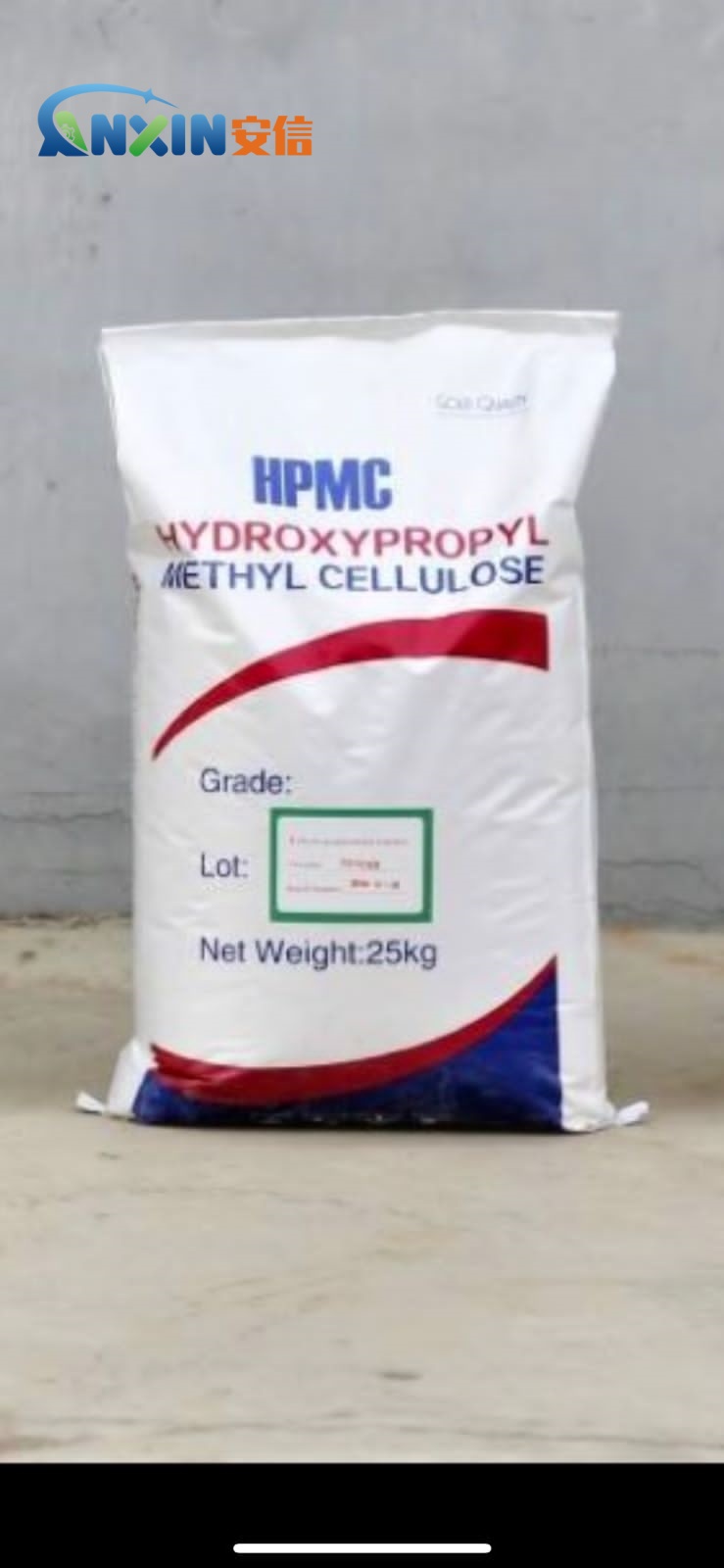
3. Influence of HPM Viscosity and Dosage
The performance of HPMC in cement-based flooring largely depends on its viscosity grade and dosage level.
- Low-viscosity HPMC: Provides moderate thickening and is suitable for self-leveling compounds where high flowability is required
- Medium-viscosity HPMC: Offers a balance between flowability and stability, commonly used in general flooring mortars
- High-viscosity HPMC: Enhances water retention and anti-sag properties but may reduce flowability if overdosed
Typically, the dosage of HPMC ranges from 0.05% to 0.2% of the total dry mix, depending on formulation requirements and application conditions.
4. Environmental Factors Affecting Flow Retention
The effectiveness of HPMC in maintaining flow retention is also influenced by environmental conditions such as:
- Temperature: High temperatures accelerate water evaporation and cement hydration, reducing flow retention time
- Humidity: Low humidity increases water loss from the surface
- Substrate absorption: Highly porous substrates draw water from the mixture, accelerating stiffening
In such conditions, HPMC helps stabilize the system by compensating for water loss and maintaining consistent workability.
5. Synergy with Other Additives
HPMC is often used in combination with other additives to optimize performance:
- Redispersible Polymer Powder (RDP): Enhances adhesion, flexibility, and mechanical strength
- Superplasticizers: Improve flowability without increasing water content
- Defoamers: Reduce air entrainment and improve surface quality
The synergy between HPMC and these additives allows formulators to achieve a balance between flow, strength, anddurability.
Post time: Apr-08-2026