Hydroxypropyl Methyl Cellulose (HPMC) is a versatile cellulose derivative widely used in industries ranging from construction and pharmaceuticals to cosmetics and food. Its functionality in these applications is deeply linked to its chemical structure, which determines solubility, viscosity, film-forming ability, and compatibility with other ingredients.
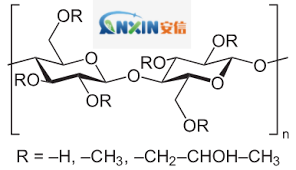
Understanding the HPMC structure allows formulators and manufacturers to:
● Select the right viscosity grade
● Optimize dissolution and hydration
● Improve product performance
● Minimize production issues
This article explores HPMC from a structural perspective, including chemical composition, molecular architecture, functional groups, and industrial relevance, as well as detailed insights into applications in construction, pharmaceuticals, home care, and specialty industries.
1. Chemical Composition of HPMC
1.1 Derivation from Cellulose
● HPMC is derived from natural cellulose, the primary structural polymer in plants.
● Native cellulose contains repeating β-D-glucose units connected by 1,4-glycosidic bonds.
1.2 Substitution Mechanism
● Hydroxyl (-OH) groups in cellulose are partially substituted with methyl (-CH₃) and hydroxypropyl (-CH₂CHOHCH₃) groups.
● This substitution results in a polymer that is soluble in cold water but maintains stability under heat.
1.3 Degree of Substitution (DS) and Methoxy Content
● The DS influences water solubility, viscosity, and gelation behavior.
● Higher methoxy content → slower hydration, higher gel strength.
● Hydroxypropyl content → improved flexibility, reduced syneresis.
2. Molecular Structure and Properties
2.1 Backbone Structure
● Linear β-D-glucose chain forms the backbone.
● Substituents interrupt hydrogen bonding, increasing water solubility.
2.2 Functional Groups
● Methyl groups: provide hydrophobic character, controlling gelation and viscosity.
● Hydroxypropyl groups: enhance hydrophilicity, water retention, and compatibility.
2.3 Molecular Weight Distribution
● Determines viscosity grade: low, medium, high.
● High molecular weight → higher viscosity, stronger film formation.
● Low molecular weight → better solubility, easier dispersion.
3. Physical Form of HPMC
● Powder form is most common in industrial use.
● Particle size affects hydration rate and dispersion.
● Surface-treated powders reduce lumping and dusting, facilitating industrial handling.
4. Functional Mechanisms in Applications
4.1 Viscosity Modification
● HPMC increases solution or slurry viscosity, improving application consistency.
4.2 Water Retention
● Prevents premature drying in cement-based materials.
4.3 Film Formation
● Forms transparent, flexible films in pharmaceutical coatings, furniture polishes, and adhesives.
4.4 Suspension Stabilization
● Keeps particles, abrasives, and active ingredients evenly dispersed in solutions or pastes.
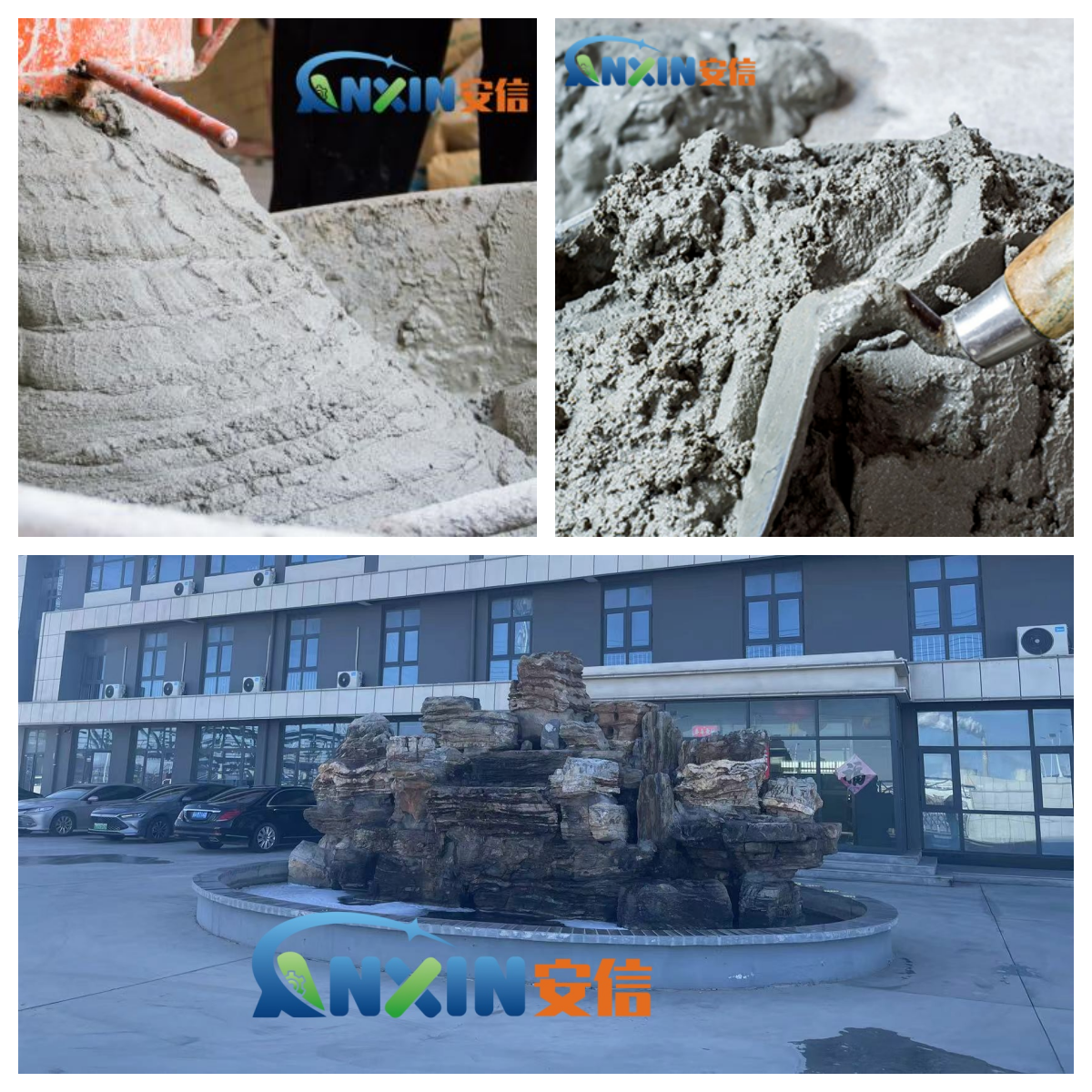
5. HPMC in Construction Applications
5.1 Wall Putty and Skim Coats
● Enhances workability, spreadability, and adhesion.
● Improves surface finish by preventing trowel marks.
5.2 Tile Adhesives and Mortars
● Controls water retention, preventing shrinkage and cracking.
● Stabilizes cement slurry and fillers for longer open time.
5.3 Self-Leveling Compounds
● HPMC ensures smooth leveling, minimal segregation, and uniform thickness.
6. HPMC in Pharmaceuticals
6.1 Oral Drug Delivery
● Used as film-forming agents in tablets.
● Controls drug release rates in modified-release formulations.
6.2 Ophthalmic Solutions
● Enhances viscosity and retention time in eye drops.
6.3 Suspensions and Emulsions
● Stabilizes active ingredients, prevents settling, and ensures uniform dosing.
7. HPMC in Home Care Products
● Improves viscosity in liquid detergents and cleaning gels.
● Stabilizes foam and suspensions.
● Enhances spreadability and shine in polishes and surface cleaners.
8. Advanced HPMC Structural Modifications
8.1 Surface-Treated HPMC
● Improves solubility, dispersibility, and cold-water hydration.
8.2 High-Viscosity HPMC
● Used in high-performance mortars, adhesives, and suspensions.
8.3 Low-Viscosity HPMC
● Preferred in pharmaceutical coatings and fast-dissolving formulations.
9. Factors Affecting HPMC Performance
1. Viscosity Grade – Low, medium, high
2. Degree of Substitution – Methoxy and hydroxypropyl content
3. Particle Size – Influences dissolution and hydration
4.Temperature – Stability at high heat or cold water
5. pH Compatibility – Resistant to acidic and alkaline environments
10. Market Trends and Application Insights
● Increasing demand in eco-friendly construction materials
● Expanding pharmaceutical applications due to controlled-release capabilities
● Growth in home care products driven by viscosity and suspension performance
● Innovations in pre-dispersed HPMC powders and surface-treated grades
11. Case Studies
11.1 Tile Adhesive Industry
● HPMC structural properties improve adhesion, workability, and water retention, enabling large-format tile applications.
11.2 Pharmaceutical Industry
● HPMC’s degree of substitution and molecular weight are critical for tablet coating and controlled-release formulations.
11.3 Home Care Industry
● Film-forming and rheology properties enhance cleaning performance and product stability.
12. Recommendations for Choosing HPMC
● Select viscosity grade according to application
● Consider degree of substitution for solubility and water retention needs
● Match particle size and surface treatment to processing method
● Test compatibility with active ingredients, surfactants, and fillers
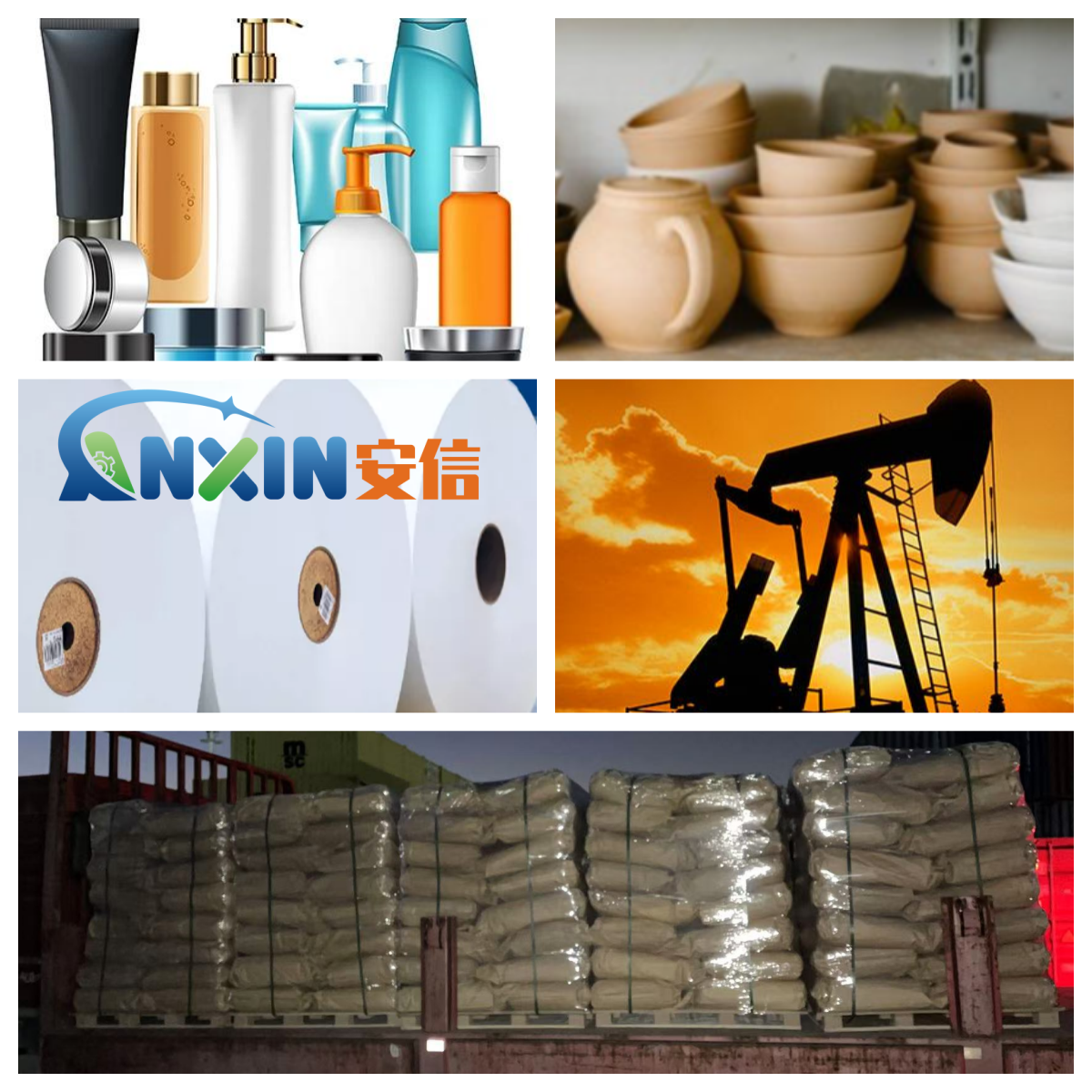
Understanding the chemical structure of HPMC—its backbone, functional groups, degree of substitution, and molecular weight—is essential for optimizing performance across industries.
● In construction, HPMC improves viscosity, water retention, and application efficiency.
● In pharmaceuticals, it stabilizes suspensions, controls drug release, and enhances film formation.
● In home care products, it ensures consistent viscosity, suspension stability, and product usability.
By leveraging the structural properties of HPMC, manufacturers can enhance product quality, reduce production issues, and innovate in multiple sectors, making it an indispensable cellulose derivative in modern formulations.
Post time: May-15-2026