In the modern pharmaceutical industry, drug development focuses not only on the active pharmaceutical ingredient (API) but also on the rational use of pharmaceutical excipients. While excipients don’t directly contribute to therapeutic effects, they play an irreplaceable role in ensuring drug stability, improving formulation quality, and enhancing the patient experience. Hydroxypropyl methylcellulose (HPMC) is a key excipient widely used in tablet and capsule formulations.
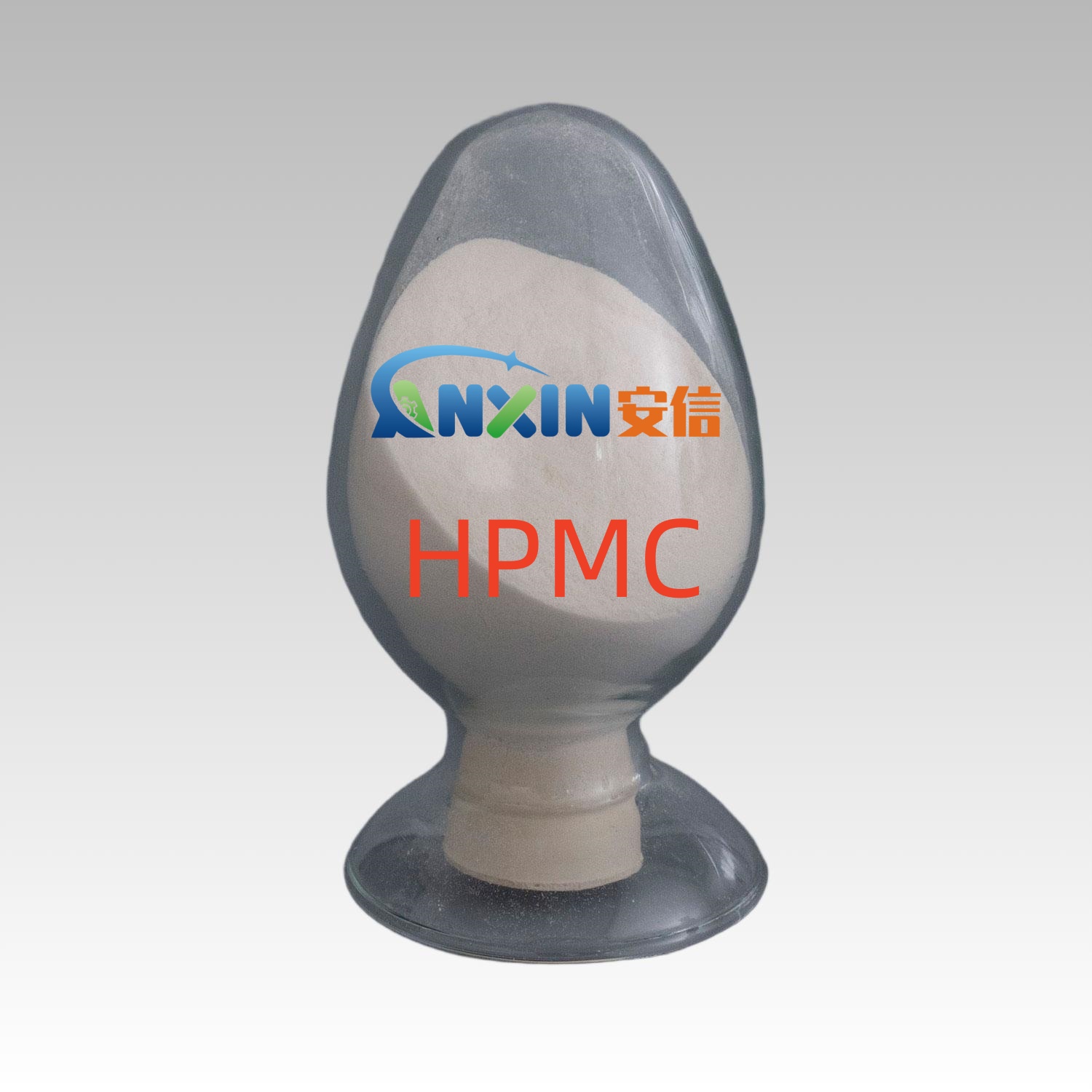
1. Basic Properties of HPMC
HPMC is a non-ionic cellulose ether, a semi-synthetic polymer derived from natural cellulose through chemical modification. It possesses the following notable properties:
Excellent film-forming properties: It forms transparent films in aqueous solutions and is widely used in coating processes.
Adhesion and viscosity control: HPMC of varying viscosity grades can be used as a tablet binder or controlled-release matrix material.
Excellent stability: It is acid- and alkali-resistant, antioxidant, and chemically inert in a variety of drug environments.
Safety and non-toxicity: HPMC is not absorbed by the human body, is metabolically safe, and meets pharmaceutical standards. It is precisely these physicochemical properties that enable HPMC to play multiple roles in pharmaceutical formulations.
2. The Role of HPMC in Tablets
2.1. Binders
During the tablet compression process, the powdered API and excipients require sufficient mechanical strength through the use of binders. HPMC solution can evenly coat the drug particles, enhancing the hardness and abrasion resistance of the compressed tablets, thereby ensuring tablet stability during transportation, storage, and administration.
2.2. Film Coating Materials
HPMC is a common choice for tablet coatings. The film it forms not only improves the tablet’s appearance and taste, but also masks the bitter taste of the drug, shields it from moisture and light, and enhances drug stability. Furthermore, by adjusting the formulation, HPMC films can be used for enteric coating or controlled-release coating, providing a more optimal drug release profile.
2.3. Sustained-Release and Controlled-Release Materials
In sustained-release and controlled-release formulations, HPMC plays a crucial role as a matrix material. Once the tablet enters the gastrointestinal tract, HPMC forms a gel layer on the surface, controlling water penetration and drug diffusion, thereby achieving sustained drug release. This mechanism not only maintains stable blood drug concentrations but also reduces dosing frequency, improving patient compliance.
3. The Role of HPMC in Capsules
3.1. Plant-Based Capsule Shells
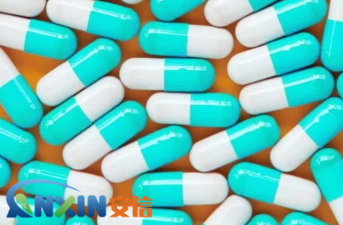
Traditional capsules are often made from gelatin, but gelatin poses issues such as animal origin, allergy risks, and religious taboos. HPMC capsule shells, as a plant-based alternative, offer advantages such as being animal-free, stable, and well-dissolved, making them a growing mainstream choice in the international market. They are particularly suitable for vegetarians, Muslims, and patients allergic to gelatin.
3.2. Stability and Compatibility
HPMC capsule shells are less sensitive to heat and humidity and less prone to cross-linking, effectively protecting the active drug content and extending the shelf life of the formulation. For some drugs that are unstable to gelatin, HPMC capsules are an ideal solution.
3.3. Controlled-Release Applications
By incorporating functional excipients into HPMC capsule shells, drug release can be targeted to specific locations in the gastrointestinal tract, such as in gastric-coated, enteric-coated, and sustained-release capsules. This opens up new avenues for personalized drug delivery design.
4. Future Development and Prospects
With the continuous advancement of pharmaceutical technology, HPMC will play an increasingly important role in the pharmaceutical excipient field. On the one hand, patients’ increasing demands for drug safety and user experience are driving the rapid growth of plant-derived capsules and controlled-release formulations. On the other hand, the trend towards green environmental protection and sustainable development is prompting pharmaceutical companies to favor naturally derived, stable polymer excipients.
The application of HPMC in smart drug delivery systems, nanoformulations, and novel oral solid dosage forms will continue to expand. Its versatility and excellent safety profile make it an irreplaceable core excipient in the pharmaceutical industry.
As a pharmaceutical excipient, HPMC not only fulfills traditional roles in tablet and capsule formulations, such as bonding, film formation, coating, and sustained release, but also, due to its plant-derived, safe, and reliable properties, it exhibits broad application prospects in modern pharmaceutical formulations. It can be said that HPMC has emerged from the shadows, becoming a key force driving pharmaceutical process innovation and formulation upgrades.
Post time: Sep-26-2025