Redispersible Polymer Powder (RDP), as an indispensable organic adhesive in modern thermal insulation mortar systems, primarily enhances the mortar’s bond strength, flexibility, crack resistance, and workability. However, in external wall insulation systems exposed to complex environments such as sunlight, rain, thermal cycles, and wind erosion over extended periods, the weather resistance of RDP becomes a key factor determining the system’s service life. Analyzing the film-forming characteristics, polymer structure, and impact on the mortar’s microstructure of RDP allows for a more systematic evaluation of its weather resistance stability in thermal insulation mortar.
1. The weather resistance of RDP in thermal insulation mortar mainly stems from its polymer network structure after film formation. RDP is typically composed of polymer systems such as ethylene-vinyl acetate (VAE) and acrylates, possessing good flexibility and resistance to UV aging. When RDP is redispersed during the mortar hardening process and co-cures with inorganic cementitious materials, it forms a continuous polymer film in the mortar pores and on the aggregate surface. This thin film not only enhances interfacial adhesion but also improves the water resistance and freeze-thaw resistance of the mortar system, enabling it to maintain stable performance during long-term thermal cycling.
2. RDP significantly contributes to the crack resistance and flexibility of thermal insulation mortar, thus improving its weather resistance. External wall insulation systems are prone to thermal expansion and contraction stress due to large external temperature differences. If the mortar, as a protective layer, lacks flexibility, it is highly susceptible to micro-cracks, allowing rainwater to seep in and further accelerating aging. The elasticity of the RDP film effectively absorbs stress, alleviating internal stress concentration caused by substrate deformation or temperature changes, thereby reducing crack formation and improving the overall stability of the mortar structure under long-term outdoor service conditions.
3. RDP improvement in the water resistance of mortar is also a key indicator of weather resistance. Thermal insulation mortar should maintain a low water absorption rate in rain-soaked or humid environments. The excellent hydrophobicity of the RDP polymer film significantly reduces capillary water absorption, blocks water penetration paths, and reduces the probability of freeze-thaw damage. Studies have shown that adding an appropriate amount of RDP to thermal insulation mortar can reduce its water absorption rate by 30% to 50%, and also improve its strength retention rate after long-term immersion in water, thus ensuring the durability of the system structure.
4. RDP improvement in the microstructure density of mortar also enhances its aging resistance. After dispersion, the polymer particles fill the spaces between cement hydration products, improving pore size distribution and creating a more uniform and dense structure within the mortar. This density not only improves mechanical properties but also makes the mortar more resistant to external corrosive factors (such as carbon dioxide and chloride salts), thereby further extending the service life of the thermal insulation system.
5. It is worth noting that different types of RDP differ in their weather resistance. For example, flexible VAE-RDP has better freeze-thaw resistance and crack resistance; while pure acrylic RDP performs better in terms of UV aging resistance and yellowing resistance. Therefore, in practical applications, the appropriate type and amount of RDP should be selected based on the characteristics of the thermal insulation mortar system, the construction environment, and the design life.
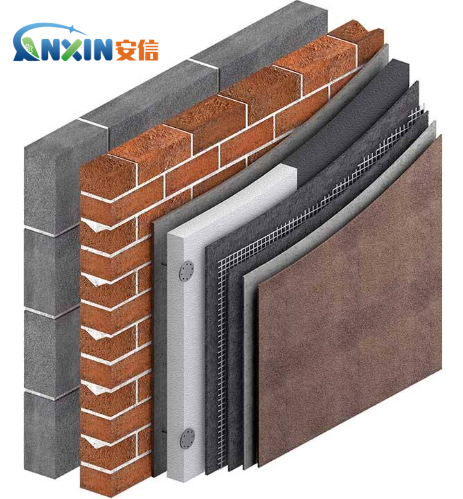
6. The weather resistance advantages of RDP in thermal insulation mortar are mainly reflected in the stability of the film-forming structure, enhanced flexibility, improved water resistance, and optimized microstructure. These characteristics enable it to effectively resist the damage caused by long-term climate change of the exterior wall, thereby significantly improving the overall durability and service life of the external insulation system.
Post time: Nov-28-2025