Hydroxypropyl Methylcellulose (HPMC), as a non-ionic cellulose ether, occupies a core position in various industries including building materials, coatings, daily chemicals, food, and pharmaceuticals. Its wide application stems not only from the natural and environmentally friendly properties of cellulose itself, but also from the multiple functionalities formed after etherification modification.
1. Natural Source, Safe and Environmentally Friendly
The basic raw material of HPMC comes from natural cellulose, and it is formed through methylation and hydroxypropylation, belonging to a green and renewable material. As a non-ionic polymer, HPMC is non-toxic, odorless, and highly stable, conforming to the general trend of environmentally friendly building materials, mild daily chemical products, and safe food additives. Its biodegradability and stable chemical inertness ensure that it does not produce harmful byproducts when used in various systems, making it more adaptable to stringent global environmental regulations.
2. Excellent Water Solubility and Hydration Behavior
One of the biggest advantages of HPMC is its ability to swell rapidly in cold water and form a transparent or translucent solution, with viscosity widely adjustable depending on the degree of polymerization and substitution. Its hydrocolloid structure provides the material system with good thickening, water retention, lubrication, film-forming, and suspension functions.
Rapid dissolution in cold water: Improves industrial production efficiency and greatly facilitates the premixing and construction of powder systems.
Wide adjustable viscosity range: From 400 mPa·s to 200,000 mPa·s, covering almost all mortar, coating, and daily chemical system requirements.
Stable sol structure: Maintains good viscosity stability even in the presence of alkalis, salts, and surfactants.
These characteristics make HPMC an irreplaceable water-retaining agent and thickener in building material systems.
3. Multiple Functionalities Support Cross-Industry Applications
3.1. Role in Building Mortars
Water retention: Significantly delays water loss and improves the degree of cement hydration.
Thickening and improved workability: Enhances anti-sagging, workability, and lubrication.
Improved bonding performance: Helps tile adhesives and putty powders form a stronger film and adhesion.
3.2. Applications in the Coatings Industry
Provides a stable thickening system and improves rheology;
Enhances suspension power and brushability;
Improves film smoothness and uniformity.
3.3. Applications in Daily Chemical Products
Used as a thickener, film-forming agent, and stabilizer in hand sanitizers, shampoos, and toothpaste, providing a gentle skin feel and long-lasting viscosity.
3.4. Food and Pharmaceutical Fields
HPMC is used as a capsule shell, coating material, and controlled-release matrix, meeting pharmacopoeia requirements for safety and stability.
Its multifunctionality is a key factor in its dominant position in multiple industries.
4. High Compatibility with Different Systems
HPMC is a non-ionic molecule and does not chemically react with cement, gypsum, polymer emulsions, surfactants, or electrolytes, therefore:
Strong compatibility and high system stability;
Can be used simultaneously in cement-based, gypsum-based, and polymer-based materials;
Compatible with various system formulations, reducing failure problems caused by interaction reactions.
This characteristic allows it to be used as a “universal additive,” eliminating the need for manufacturers to find separate substitutes for each system.
5. Outstanding Temperature Resistance and Film-Forming Properties
HPMC has thermogel properties, maintaining a certain viscosity even at high temperatures, significantly enhancing water retention in environments with fast drying speeds. In the construction process of coatings, putties, and tile adhesives, its film-forming properties make the material surface more dense, significantly improving strength and crack resistance.
6. Stable Supply Chain and Mature Technology Drive Popularity
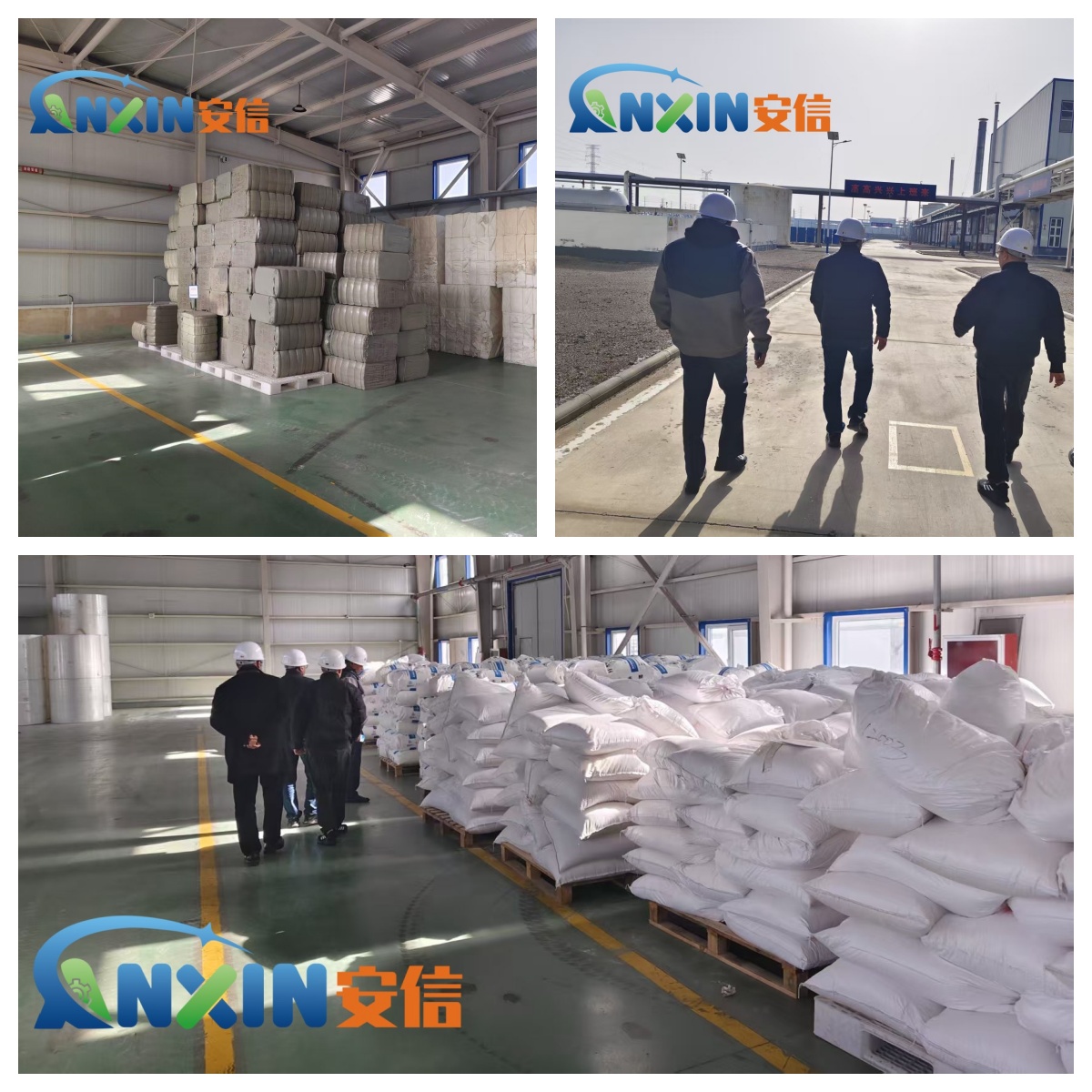
The mature global cellulose ether production process and stable raw material sources ensure a continuous supply and controllable costs for HPMC. The safety of HPMC is recognized in various national building standards, pharmacopoeias, and cosmetic regulations, making it easier to enter various industry systems and be rapidly promoted.
The widespread application of HPMC in construction, coatings, daily chemicals, food, and pharmaceuticals stems from its naturally safe raw material base, excellent water solubility, multiple functionalities, broad compatibility, and mature industrial chain. With the continuous growth in demand for green building materials and environmentally friendly consumer products, the market for HPMC will maintain strong development, and its application scenarios will continue to expand.
Post time: Dec-05-2025