Petroleum-grade hydroxyethyl cellulose (HEC), as an important water-soluble polymer thickener, rheology modifier, and stabilizer, has become increasingly valuable in the oil and gas extraction field in recent years. With the continuous expansion of deep wells, ultra-deep wells, and unconventional oil and gas exploration, higher demands are placed on the performance of drilling fluids, fracturing fluids, and completion fluids. HEC, with its excellent solubility, chemical stability, and thickening ability, has become a key additive for improving the efficiency of oil and gas extraction.
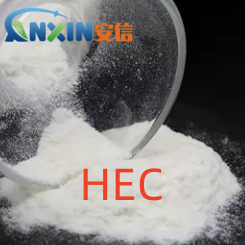
Petroleum-grade HEC exhibits excellent water solubility and thickening properties, quickly forming a homogeneous system when preparing drilling fluids, increasing fluid viscosity, and thus improving cuttings carrying capacity. During drilling, cuttings at the bottom of the well need to be effectively removed under high temperature, high pressure, and high-speed circulation conditions. HEC-thickened drilling fluid enhances suspension and transport capabilities, promptly carrying cuttings to the wellhead and avoiding the risk of drill pipe sticking caused by cuttings accumulation at the bottom of the well. Furthermore, HEC has good compatibility with brine and seawater, maintaining stable viscosity performance even in high-salinity environments, making it particularly suitable for offshore platforms and complex formation operations.
HEC also plays a crucial role in completion and cementing fluid systems. It improves the rheological behavior of the fluid, maintaining low fluid loss and improving filter cake quality. A high-quality, thin, and dense filter cake effectively isolates formation fluids, reducing damage to the reservoir and ensuring the stability of subsequent production. In addition, HEC significantly improves the fluidity and proppant suspension capacity of completion fluids, promoting smooth and safe operation.
In fracturing technology, petroleum-grade HEC is an important component of high-performance fracturing fluids. Its thickening ability allows the fracturing fluid to carry a large amount of proppant into deep fractures, achieving efficient reservoir modification. During fracturing, temperatures and shear forces are extremely high, yet HEC maintains good viscoelastic properties, reducing sand settling and improving fracture support. On the other hand, HEC has controllable degradation characteristics; after construction, it can degrade under appropriate conditions, releasing from the fractures, reducing backflow resistance, ensuring smooth oil and gas flow, and thus increasing production. In terms of environmental protection and safety, HEC is non-toxic, biodegradable, and non-irritating, making it a green and environmentally friendly chemical additive. Against the backdrop of a global emphasis on green energy and sustainable development, HEC not only meets the current environmental requirements for oilfield chemicals but also helps companies improve their environmental management levels. Compared with traditional synthetic polymers, HEC has better environmental friendliness and storage and transportation safety, enabling a lower-carbon and safer chemical configuration scheme in oil and gas development.
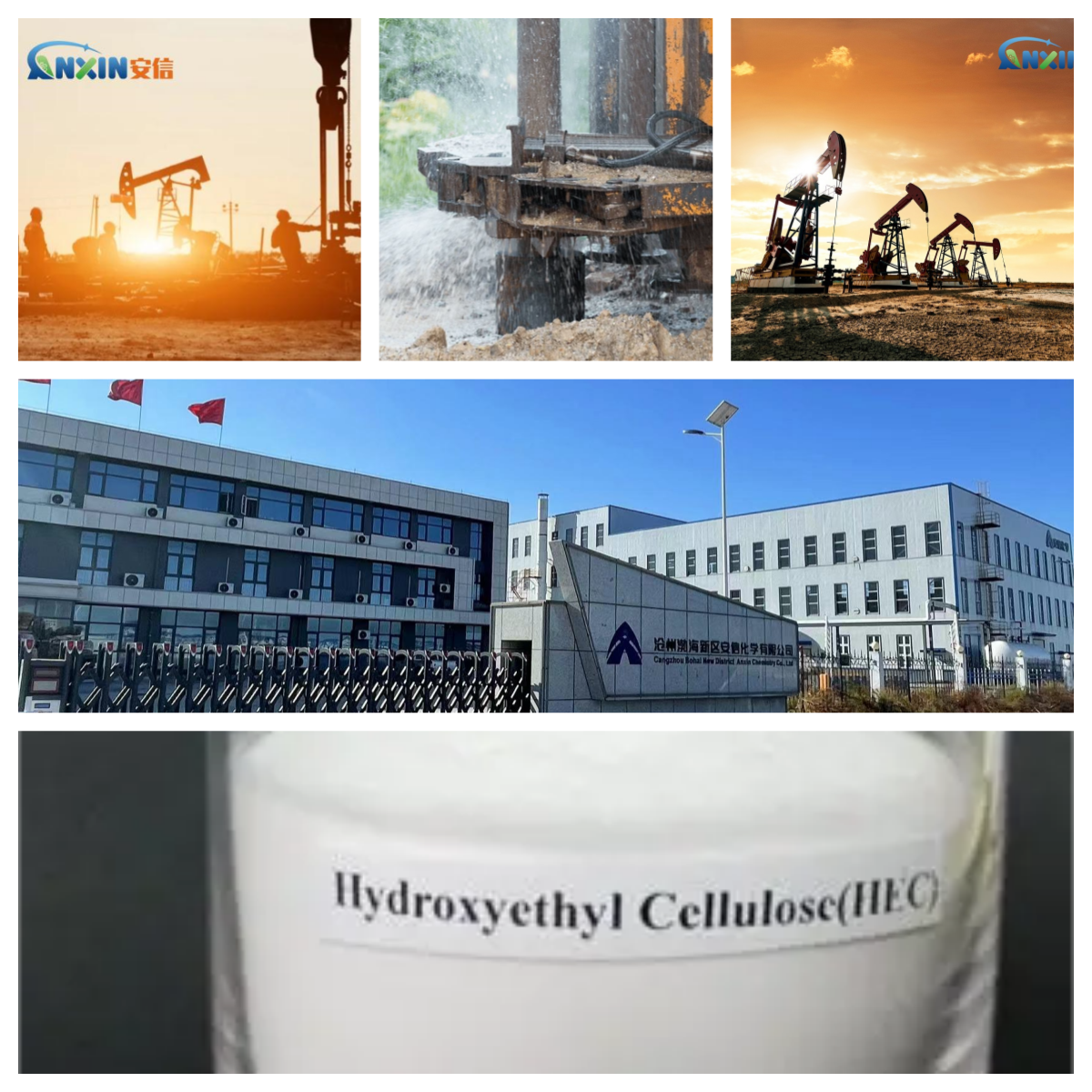
The application of petroleum-grade HEC has also expanded to multiple fields, including enhanced oil recovery, reservoir protection, and optimization of drilling fluid system performance. Its compatibility in different fluid systems allows it to work synergistically with various surfactants, salts, and crosslinking agents to form multi-functional oilfield chemical systems. For example, in heavy oil extraction, HEC can improve the rheology of the injection system and increase injection efficiency; in gas well operations, the HEC thickening system can effectively carry and drain fluids, improving gas well productivity.
With its excellent thickening, suspension, rheological adjustment properties, and good environmental characteristics, petroleum-grade HEC has become an indispensable material for modern efficient oil and gas extraction. Whether in drilling, cementing, fracturing, or completion operations, HEC can significantly improve process efficiency and operational safety, contributing to the efficient development and sustainable utilization of oil and gas resources.
Post time: Dec-08-2025