HPMC Grades and Viscosity Selection Guide for Construction Coatings and Industrial Applications
Introduction
Hydroxypropyl Methylcellulose HPMC is one of the most important cellulose ethers used across construction materials coatings pharmaceuticals and personal care products. Selecting the correct HPMC grade is essential because viscosity substitution level and dissolution behavior directly affect product performance.
Here provides a complete and practical explanation of HPMC grades including viscosity classification application matching and expert selection strategies to help manufacturers engineers and buyers choose the most suitable solution.
What is HPMC
HPMC is a non ionic cellulose ether derived from natural cellulose through chemical modification. It provides multifunctional performance such as water retention thickening film formation and stabilization.
Key properties include
Water retention capability
Thickening and rheology control
Thermal gelation behavior
Surface activity and film formation
HPMC is widely used in dry mix mortar tile adhesive wall putty paints coatings detergents and pharmaceutical formulations.
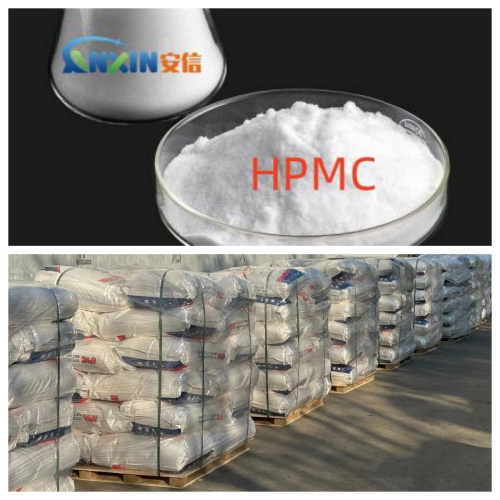
Understanding HPMC Grades
HPMC grades are defined by a combination of technical factors rather than a single parameter.
Viscosity
Measured in mPa s under standard conditions viscosity determines thickness flow and workability.
Chemical substitution
Methoxy and hydroxypropyl content influence solubility gel temperature and compatibility.
Particle size and treatment
Affects dissolution speed dispersion and handling in formulations.
HPMC Viscosity Classification
Ultra low viscosity grades 3 to 100 mPa s
Used in detergents pharmaceutical solutions and liquid systems where minimal thickening is required.
Low viscosity grades 100 to 1000 mPa s
Suitable for coatings inks and self leveling compounds requiring flowability.
Medium viscosity grades 1000 to 50000 mPa s
Widely used in tile adhesive wall putty and cement based materials.
High viscosity grades 50000 to 200000 mPa s and above
Ideal for demanding applications such as EIFS systems thick mortars and gypsum products.
Key Performance Functions of HPMC
Water retention
Prevents rapid water loss ensuring proper cement hydration and improved strength.
Thickening and rheology control
Adjusts consistency and improves ease of application.
Workability improvement
Enhances smoothness reduces drag and improves application efficiency.
Adhesion enhancement
Improves bonding between substrates and materials.
Anti sag performance
Prevents slipping in vertical applications such as tile adhesive.
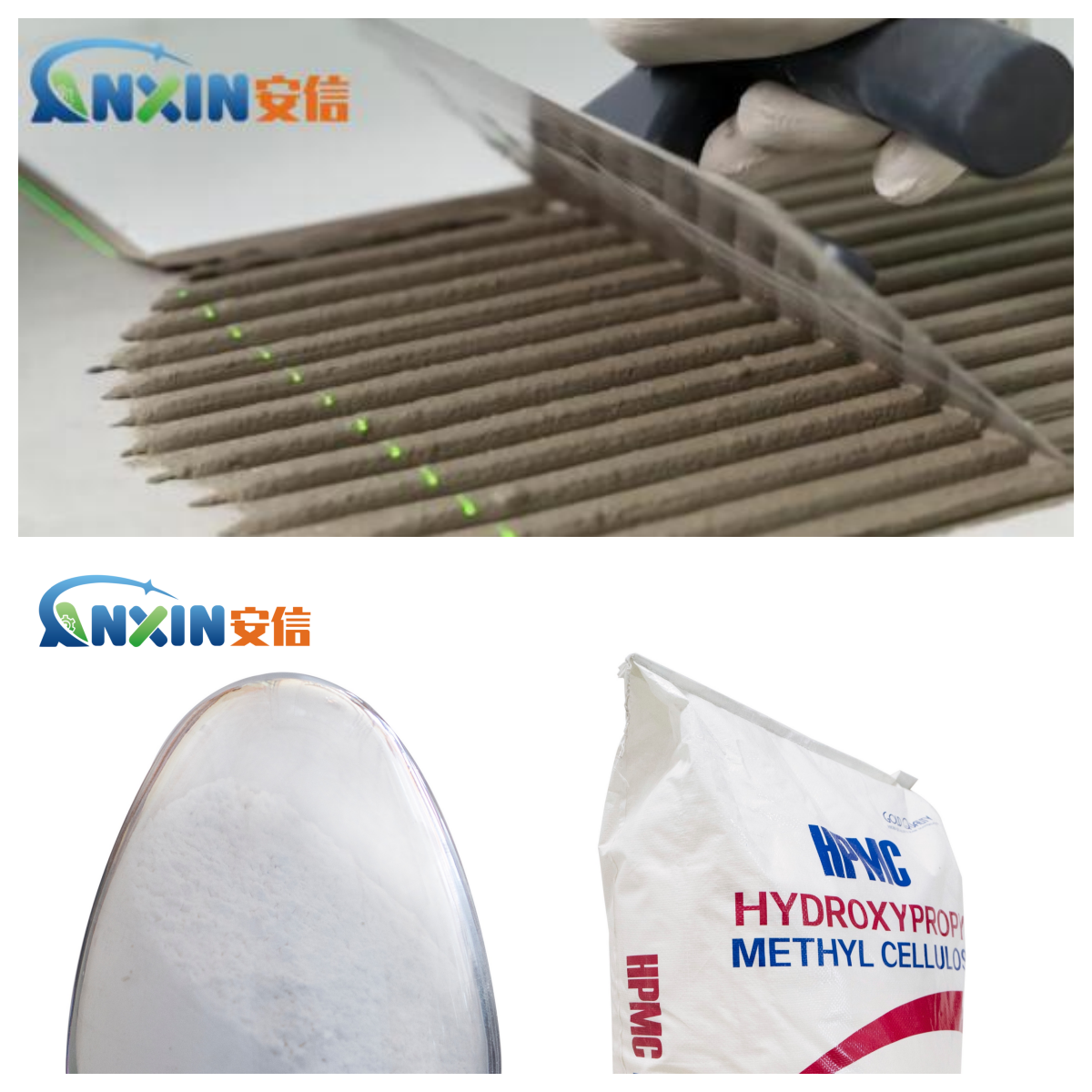
Application Based Grade Selection
Tile adhesive
Recommended viscosity 40000 to 100000 mPa s
Provides open time anti slip and strong adhesion
Wall putty and skim coat
Recommended viscosity 20000 to 80000 mPa s
Ensures smooth finish crack resistance and easy spreading
Cement mortar
Medium to high viscosity grades
Improves water retention and construction performance
Self leveling compounds
Low viscosity grades
Maintains flowability and leveling performance
Paints and coatings
Low to medium viscosity grades
Provides thickening suspension and stability
Pharmaceutical applications
Controlled viscosity high purity grades
Used for tablet coating and controlled release systems
Instant and Standard HPMC
Instant HPMC is surface treated and disperses quickly in cold water making it suitable for dry mix products.
Standard HPMC requires hot water dispersion and provides controlled hydration behavior for industrial processes.
Factors That Influence HPMC Performance
Temperature affects viscosity and gelation behavior
pH stability ensures compatibility with various systems
Interaction with other additives such as starch ether and dispersible polymer powder
Mixing conditions and shear force during production
How to Select the Right HPMC Grade
Identify the specific application and performance requirements
Choose the appropriate viscosity range
Evaluate water retention and open time needs
Check compatibility with other formulation components
Conduct laboratory and field testing before large scale use
Common Selection Mistakes
Using high viscosity in flowable systems leading to poor leveling
Using low viscosity in adhesives resulting in weak bonding
Ignoring environmental conditions such as temperature and humidity
Skipping formulation testing and relying only on datasheets
Quality Indicators of High Performance HPMC
Stable viscosity across batches
Consistent substitution level
Low impurity content
Reliable supply and technical support
High quality HPMC improves production efficiency reduces defects and enhances final product performance.
Market Trends and Industry Outlook
Demand for HPMC is increasing due to growth in construction and infrastructure projects worldwide. Green building materials and environmentally friendly additives are becoming more important. Customized grades tailored to specific applications are gaining popularity.
Frequently Asked Questions
What is the best HPMC viscosity for tile adhesive
Typically 40000 to 100000 mPa s depending on formulation requirements
Can one HPMC grade be used for multiple applications
In most cases no each application requires specific performance characteristics
What makes HPMC important in construction materials
It improves water retention workability and bonding strength
How does viscosity affect performance
Higher viscosity increases water retention and thickness while lower viscosity improves flow
Conclusion
HPMC grades play a critical role in determining the performance of construction materials coatings and industrial formulations. By understanding viscosity classification chemical properties and application requirements users can select the most suitable grade to achieve optimal results.
A well chosen HPMC grade leads to better workability improved durability and enhanced overall product quality.
Post time: Mar-24-2026