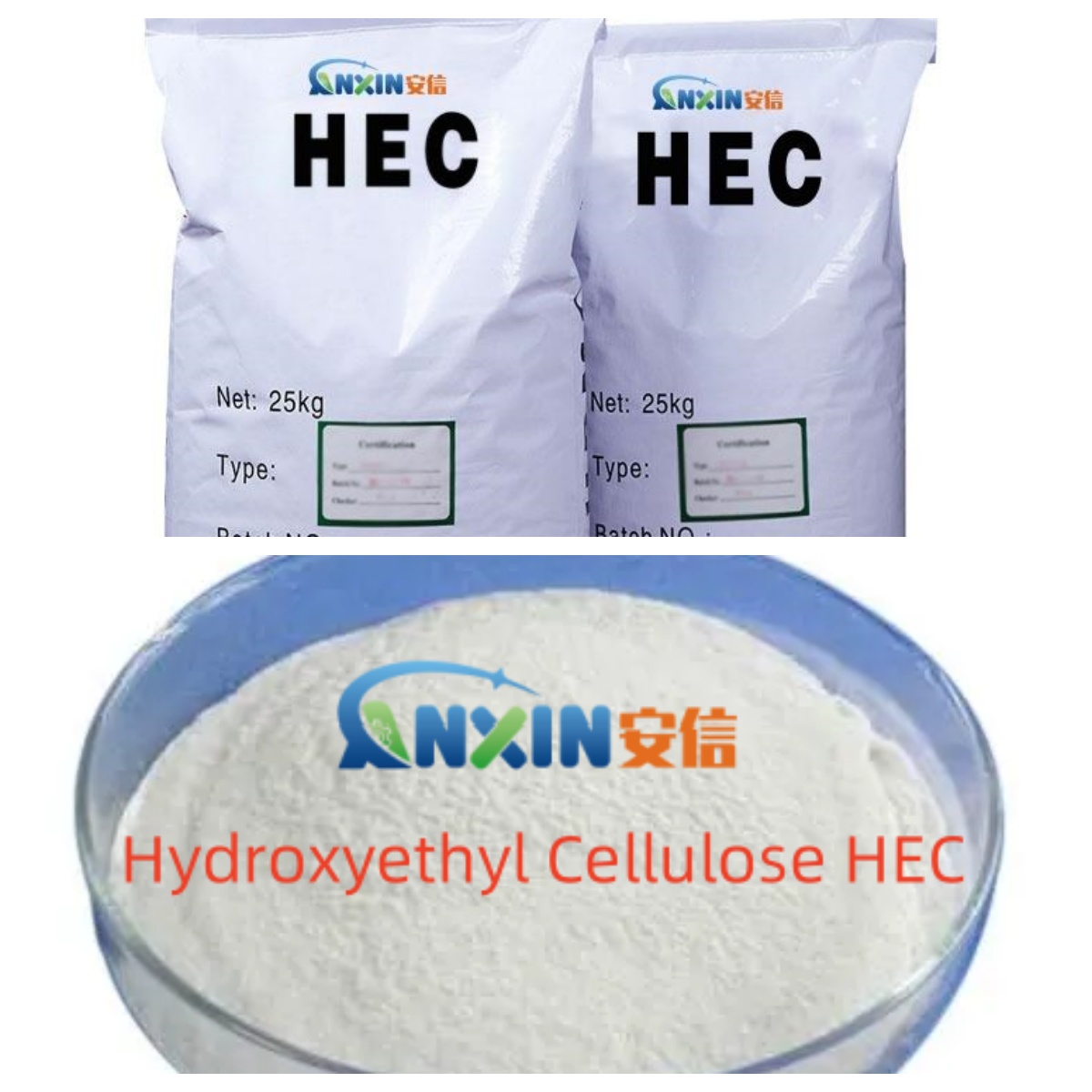
Hydroxyethyl Cellulose (HEC) is a water-soluble, nonionic polymer derived from etherified natural cellulose. It is widely used in the paint and coatings industry. It not only serves as a thickener but also possesses multiple functions, including water-retaining agent, dispersant, and coalescing agent. It is an indispensable additive in modern water-based coating systems.
1. HEC’s Main Functions in Paints
Thickening: HEC has excellent thickening properties. By adjusting the viscosity of the solution, it improves the rheological properties of the paint, maintaining stability during storage, application, and drying. It effectively prevents settling and delamination of pigments and fillers, ensuring uniform paint flow.
Improving Leveling and Application Performance: During brush, roller, or spray application, HEC improves paint leveling, preventing brush marks, orange peel, and sagging, resulting in a smoother, finer paint film.
Water Retention: In water-based coating systems, HEC effectively retains moisture, slowing evaporation and ensuring sufficient working time during application. It also promotes film integrity.
Dispersion and Stability: HEC forms a stable colloidal system in aqueous solution, helping to evenly disperse pigments and fillers, preventing pigment agglomeration, and enhancing the color uniformity and vividness of the coating.
Coalescing Aid: In certain formulations, HEC can also synergize with emulsions to improve the flexibility and adhesion of the paint film, thereby enhancing the durability of the finished coating.
2. Application Advantages
Good Compatibility: As a non-ionic polymer, HEC is compatible with a variety of surfactants, emulsions, and pigment systems, adapting to diverse formulation requirements.
Safety: Derived from natural cellulose, HEC is non-toxic and harmless, releasing no harmful substances during use, aligning with the development trend of environmentally friendly water-based coatings.
Easy to Control: HEC is available in different viscosity grades, allowing formulators to select the appropriate grade to adjust application performance and film quality.
Enzyme Resistance and Stability: Modern HEC products, through process improvements, exhibit excellent resistance to enzymatic degradation and strong storage stability, preventing paint deterioration due to microbial action.
3. Typical Applications
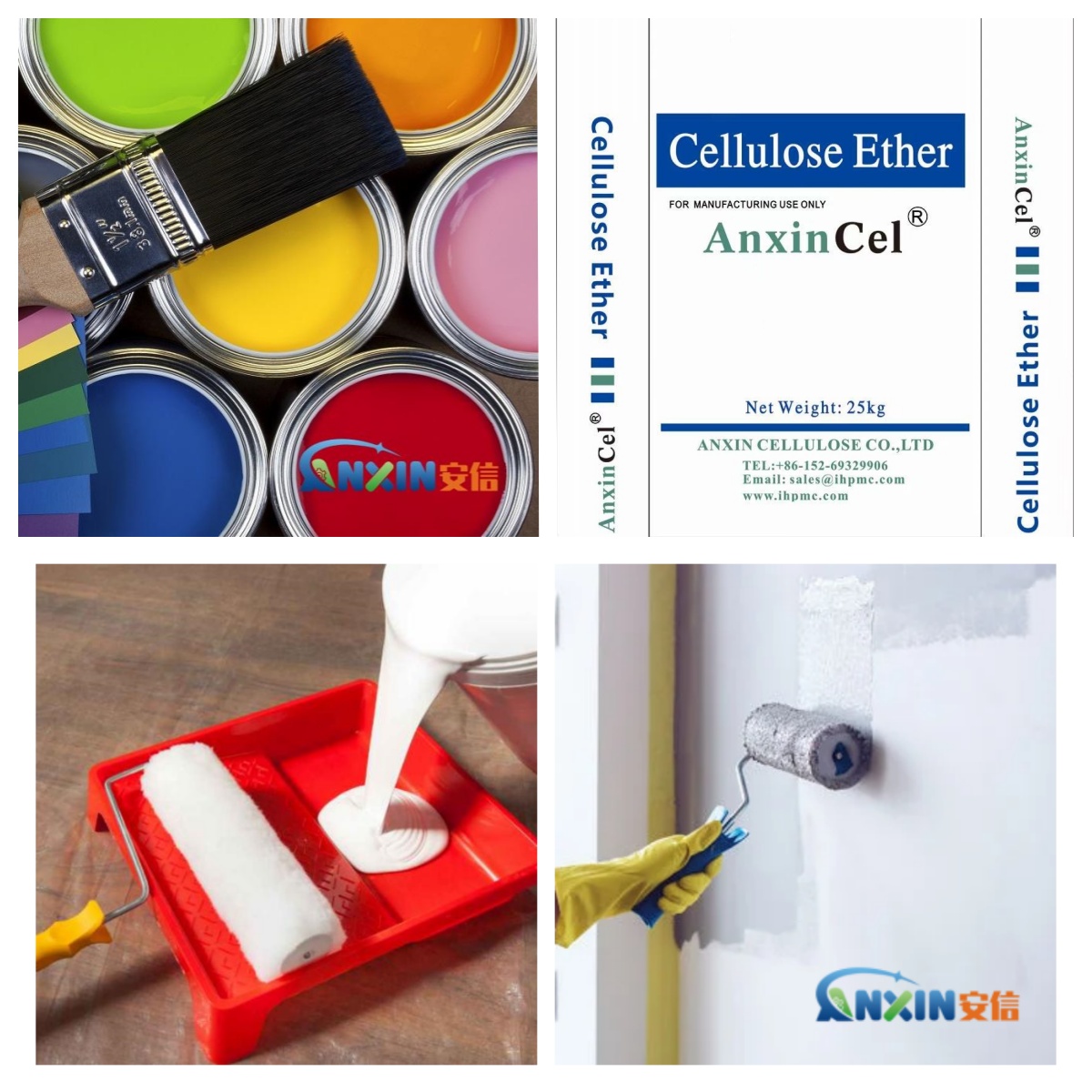
Interior and exterior latex paints: HEC enhances paint fluidity and workability, ensuring a uniform, fine paint film and improving scrub resistance.
Industrial coatings: In anti-corrosion paints and primers, HEC acts as a rheological additive, improving paint stability and pigment dispersion, ensuring film density and protective effectiveness.
Wood and decorative paints: HEC enhances paint transparency and gloss, enhancing the natural appearance of wood grain while also making application easier.
Colorants and pigment dispersions: HEC acts as a protective colloid in dispersions, improving system stability, preventing pigment settling, and ensuring color vividness.
The value of hydroxyethyl cellulose (HEC) in the paint industry lies primarily in its thickening, water retention, dispersibility, and improved workability. With the rapid development of environmentally friendly water-based coatings, the demand for high-performance, low-VOC additives is growing. HEC, due to its safety, environmental friendliness, and diverse functionality, has become an indispensable ingredient in coating formulations. In the future, with the continued advancement of HEC products in rheology control, enzyme resistance, and application expansion, its application prospects in high-end industrial coatings and functional coatings will expand even further.
Post time: Sep-23-2025