In the production of liquid soap, hydroxypropyl methylcellulose (HPMC) is a commonly used thickener, stabilizer, and film-forming agent. It not only improves the product’s appearance and rheological properties, but also enhances the user experience. The following detailed explanation of how HPMC is used in liquid soap will cover its principles, effects, usage, precautions, and application advantages.
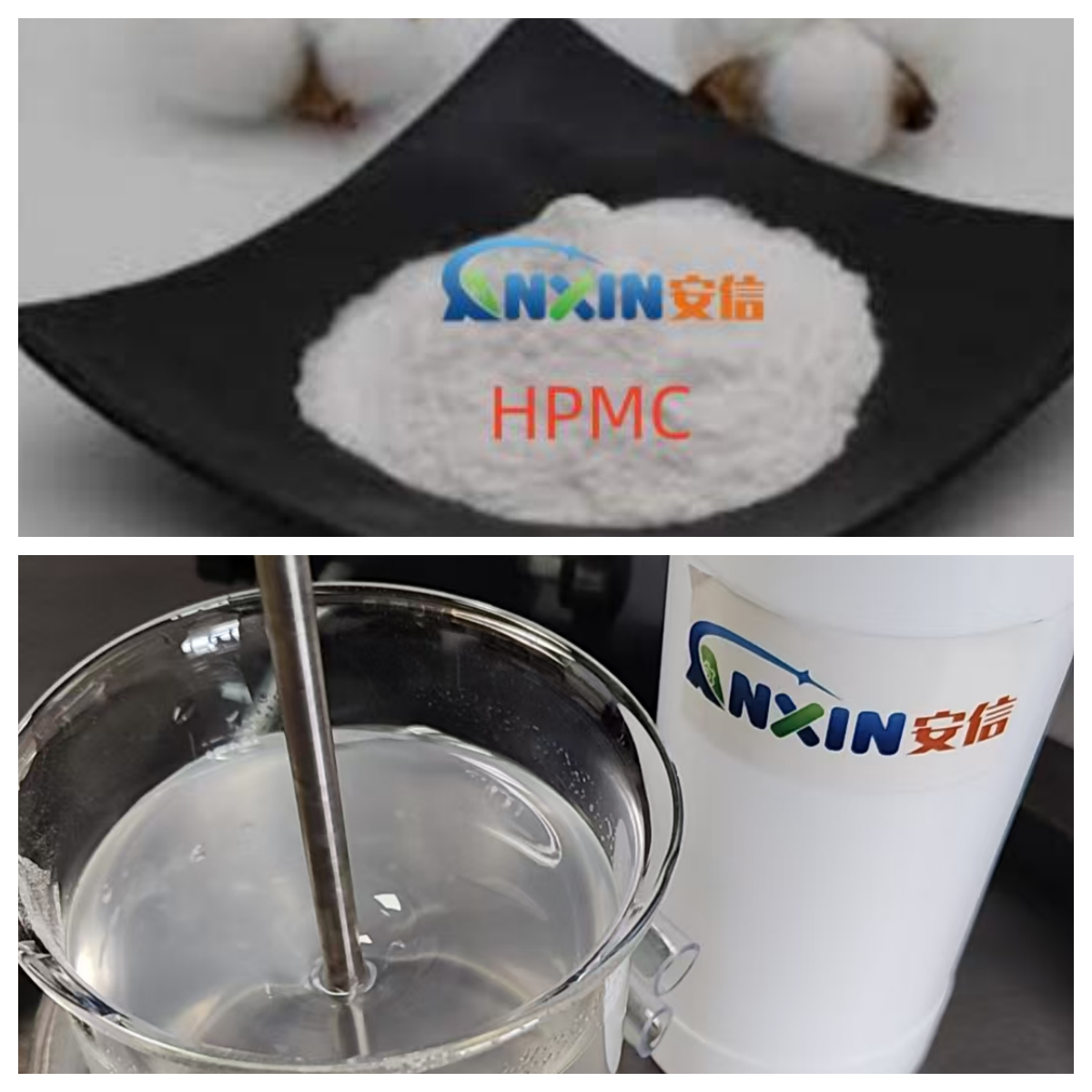
1. How HPMC Works in Liquid Soap
HPMC is a nonionic cellulose ether derived from natural cellulose and modified through methylation and hydroxypropylation. It possesses excellent solubility, emulsification, and thickening properties. The main mechanisms of action of HPMC in liquid soap include:
Thickening: HPMC swells in water to form a viscous solution, effectively increasing the viscosity of the soap, improving flowability, and preventing the product from becoming too dilute.
Stabilizing: In systems containing surfactants, HPMC forms a protective colloid, preventing oil-water separation and precipitation, thereby improving formulation stability. Film-forming and Moisturizing: HPMC forms a gentle film on the skin’s surface, reducing water loss and providing a moisturizing effect.
Improving Appearance and Usage: It makes soap liquid transparent and uniform, enhancing its texture while producing a smooth, delicate lather.
2. How to Add HPMC to Liquid Soap
In actual production, the use of HPMC requires careful attention to the dissolution method and the order of adding ingredients. Otherwise, it can easily cause clumping or incomplete dissolution. Common usage steps are as follows:
2.1. Pre-dispersing HPMC
Pre-mix the HPMC powder with an appropriate amount of glycerin, propylene glycol, or a small amount of surfactant to prevent clumping when exposed to water.
2.2. Cold Water Dispersion Method
Slowly add the pre-dispersed HPMC to cold water (room temperature), stirring while adding ingredients to ensure a uniform dispersion.
Initially, the HPMC will be in a powdery suspension and gradually swell as it absorbs water.
2.3. Heating Dissolution Method
Slowly heat the HPMC-containing mixture to approximately 60°C to completely swell the cellulose chains and form a uniform, transparent solution.
After dissolution, cool to room temperature to obtain a stable stock solution.
2.4. Adding Soap Base
Add the dissolved HPMC solution to the main liquid soap formula according to the appropriate proportion and stir thoroughly.
The dosage is generally between 0.3% and 1.0%, adjusted based on the desired viscosity and clarity of the soap system.
3. HPMC Dosage and Control
Low concentration (0.1% to 0.3%): Improves the fluidity of the soap solution, preventing it from being too dilute.
Medium concentration (0.3% to 0.6%): Commonly used in transparent or translucent liquid soaps, it stabilizes the system without becoming too viscous.
High concentration (0.6% to 1.0%): Used in products requiring a higher viscosity, such as body washes, hand soaps, or high-end skincare liquid soaps. It’s important to note that excessively high concentrations may result in decreased foaming or stringiness during application, so the appropriate choice should be made based on the product’s positioning.
4. Precautions for Using HPMC
Avoiding Agglomeration: HPMC easily forms an outer film upon contact with water, enveloping undissolved powder, resulting in “fish-eye” lumps. Therefore, pre-dispersing or treating with cold water is necessary.
Controlling Temperature: Do not use hot water directly during dissolution, as this will result in uneven dissolution. Disperse with cold water first, then heat to dissolve.
pH Range: HPMC is stable within a pH range of 3-11 and is suitable for most liquid soap systems. Excessively acidic or alkaline concentrations may affect solubility and viscosity.
Compatibility with Surfactants: HPMC is compatible with anionic, nonionic, and amphoteric surfactants, but should be avoided with strong cationic polymers to prevent precipitation.
Preventing Microbial Contamination: HPMC is an organic polymer easily degraded by microorganisms, so liquid soaps require an appropriate preservative.
5. Advantages of HPMC in Liquid Soaps
Safety and Environmental Protection: Derived from natural cellulose, it is non-toxic and non-irritating, in line with the concept of green cosmetics.
Mild Skin Feel: It forms a lubricating protective film on the skin surface, reducing the irritation of detergents.
Affordable Cost: Compared to synthetic polymers such as carbomer, HPMC is less expensive and offers consistent results.
High Formulation Flexibility: It is compatible with common surfactants, salts, and fragrances, facilitating the design of a variety of liquid soap products.
Versatility: It not only thickens, but also moisturizes, improves foam, and stabilizes the system, delivering multiple benefits.
6. Typical Applications
Hand Soap: HPMC allows hand soaps to maintain a moderate viscosity even at low surfactant concentrations, enhancing the feel.
Body Wash: HPMC provides a smooth consistency and adds skin lubrication.
Children’s Care Products: The low irritation and mildness of HPMC are particularly suitable for children’s formulas.
High-End Transparent Liquid Soap: The transparency of HPMC solutions can be utilized to create transparent liquid soaps with attractive visual effects.
The key to using HPMC in liquid soap lies in proper dissolution, correct dosing, and appropriate dosage. It not only improves the consistency and stability of soap but also enhances skin feel and appearance. As a formulation additive that combines safety, functionality, and affordability, HPMC has become an indispensable ingredient in liquid soap and other daily chemical products.
Post time: Sep-22-2025