1.Lubrication and Rheology Control: Improving Melt Flow and Processing Efficiency in PVC Compounds
Hydroxypropyl Methylcellulose (HPMC) plays an important role in optimizing the lubrication and rheological behavior of PVC compounds during processing. In PVC formulation, achieving stable melt flow while preventing degradation and excessive shear stress is critical for producing high-quality finished products. HPMC contributes to this balance by acting as a processing aid that improves internal lubrication and regulates the flow characteristics of the compound under heat and shear.
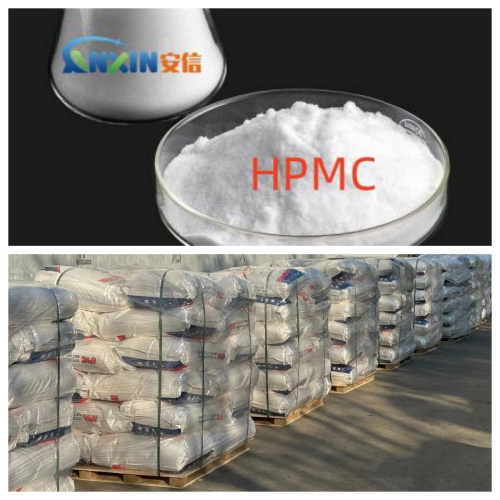
During mixing, extrusion, or calendaring, PVC resin particles must fuse uniformly without sticking to processing equipment or generating uneven melt viscosity. HPMC forms a thin lubricating layer within the compound, reducing friction between particles and between the material and metal surfaces. This effect lowers torque load, minimizes energy consumption, and promotes smoother material movement through screws and dies.
HPMC helps stabilize the rheology of PVC melts by preventing sudden viscosity fluctuations that can lead to defects such as melt fracture, poor surface finish, or dimensional inconsistency. Its ability to control flow behavior ensures consistent extrusion rates and improved mold filling during shaping processes. As a result, manufacturers benefit from enhanced processing efficiency, reduced equipment wear, and improved quality control in a wide range of PVC products.
2.Thermal Stability and Water Retention: Reducing Degradation During PVC Processing
Thermal stability is a critical factor in PVC processing because the material is highly sensitive to heat and prone to degradation when exposed to elevated temperatures for extended periods. During extrusion, injection molding, or calendaring, excessive heat can cause PVC to release hydrogen chloride (HCl), leading to discoloration, reduced mechanical strength, and processing difficulties. Hydroxypropyl Methylcellulose (HPMC) helps mitigate these issues by contributing to a more controlled thermal environment within the PVC compound.
HPMC exhibits excellent water retention and film-forming properties, which create a protective microenvironment during processing. This retained moisture and protective layer help buffer temperature fluctuations and reduce localized overheating within the material. As a result, the rate of thermal decomposition is slowed, and the stability of the PVC matrix is enhanced under shear and heat.
Additionally, HPMC improves heat distribution throughout the compound, preventing hot spots that typically accelerate degradation. This effect allows for smoother processing, longer residence time in equipment without material breakdown, and more consistent product quality. By reducing thermal stress and stabilizing the processing conditions, HPMC supports the production of PVC products with better color retention, structural integrity, and long-term durability.
3.Dispersion and Compatibility: Enhancing Filler Distribution and Surface Quality in PVC Products
In PVC formulations, the uniform dispersion of fillers, pigments, and additives is essential for achieving consistent mechanical properties and an attractive surface finish. Poor dispersion can lead to agglomeration, surface defects, weak spots, and inconsistent performance in the final product. Hydroxypropyl Methylcellulose (HPMC) contributes significantly to improving the compatibility between PVC resin and various fillers, ensuring a more homogeneous compound.
HPMC acts as a dispersing and stabilizing agent within the PVC matrix. Its molecular structure promotes better interaction between hydrophilic fillers—such as calcium carbonate, titanium dioxide, and other mineral additives—and the hydrophobic PVC resin. This improved interfacial compatibility prevents particle clustering and supports even distribution throughout the material during mixing and processing.
The PVC compound exhibits a smoother texture and more uniform melt behavior. Enhanced dispersion reduces surface imperfections such as roughness, streaking, and pinholes that can occur during extrusion or molding. Moreover, consistent filler distribution contributes to balanced mechanical strength, dimensional stability, and improved aesthetic quality. By optimizing dispersion and compatibility, HPMC helps manufacturers produce PVC products with superior appearance and reliable performance across a wide range of applications.
4.Mechanical Strength and Surface Finish: Upgrading the Durability and Appearance of PVC Applications
The mechanical performance and surface quality of PVC products are key indicators of overall material performance. Issues such as brittleness, surface roughness, and inconsistent texture often arise from uneven processing conditions and poor internal structure within the PVC compound. Hydroxypropyl Methylcellulose (HPMC) helps address these challenges by contributing to a more uniform internal network and improved processing stability.
By enhancing the rheological balance and promoting better dispersion of fillers and additives, HPMC supports the formation of a more homogeneous PVC matrix. This uniform structure reduces internal stress concentrations that can lead to cracking, brittleness, or mechanical failure over time. As a result, PVC products exhibit improved tensile strength, impact resistance, and dimensional stability.
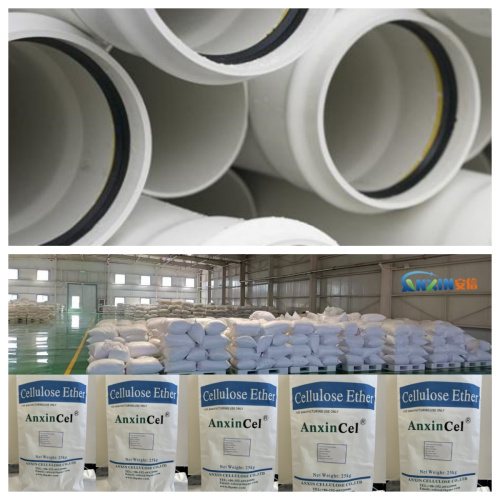
HPMC plays a role in refining the surface finish of PVC products during extrusion or molding. Its lubricating and film-forming properties enable smoother material flow through dies and molds, minimizing surface defects such as drag marks, waviness, or rough textures. The final products achieve a cleaner, glossier appearance with enhanced tactile quality. By improving both durability and aesthetics, HPMC enables manufacturers to produce high-performance PVC applications that meet strict quality and visual standards.
Post time: Feb-05-2026