Hydroxypropyl methylcellulose (HPMC) is a nonionic cellulose ether derived from natural cellulose through chemical modification. Due to its unique physical and chemical properties, it is widely used in building materials, pharmaceuticals, food, cosmetics, and daily chemical products.
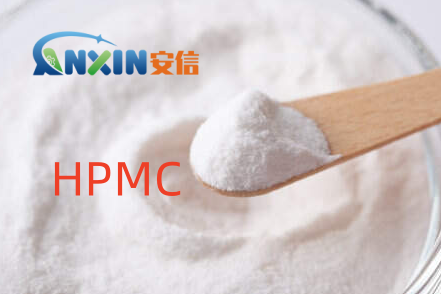
From a molecular perspective, HPMC is a modified product created by introducing methoxy (–OCH₃) and hydroxypropoxy (–OCH₂CHOHCH₃) groups onto the hydroxyl groups of the cellulose molecule. This substitution structure overcomes the inherent water solubility of natural cellulose, imparting excellent water solubility and film-forming properties to HPMC while also enabling the manipulation of its solution viscosity and rheological properties. Different degrees of substitution and substituent distribution determine the diverse performance of HPMC in its applications.
In terms of physical and chemical properties, HPMC exhibits the following prominent characteristics:
Solubility: HPMC is a nonionic, water-soluble polymer that disperses and dissolves rapidly in cold water, forming transparent or translucent solutions. Compared to other cellulose ethers, it exhibits a wider solubility in organic solvents, including some alcohols and mixed solvents, thus demonstrating good compatibility in multiphase systems.
Thermogelation: HPMC solutions undergo reversible gelation at elevated temperatures, a key property that distinguishes it from other cellulose derivatives. Upon heating, the solution viscosity increases and gels form, regaining fluidity upon cooling. This property is particularly valuable in food thickeners, drug controlled-release membranes, and water-retaining agents for building mortars.
Viscosity Adjustability: HPMC can be adjusted to achieve varying viscosity grades, from low to high, by controlling the degree of substitution and polymerization, meeting the needs of various systems. Its solution viscosity is highly stable and is not significantly affected by pH or salts.
Water Retention and Film-Forming Properties: HPMC molecules form stable hydrogen bonds with water molecules, endowing it with excellent water-retention capacity, making it particularly suitable for use in building mortars and gypsum products, preventing rapid water loss. Furthermore, it exhibits strong film-forming properties, resulting in flexible, transparent films with sufficient mechanical strength and oil resistance.
Surface Activity: HPMC reduces surface tension in aqueous solutions and exhibits certain emulsifying, dispersing, and lubricating properties, making it suitable for use as a stabilizer and dispersant in coatings and daily chemical products.
Biocompatibility and Safety: HPMC is derived from natural cellulose and, after modification, remains non-toxic, non-irritating, and biodegradable. This makes it widely used as an adhesive for pharmaceutical tablets, a controlled-release matrix material, and a food thickener and stabilizer.
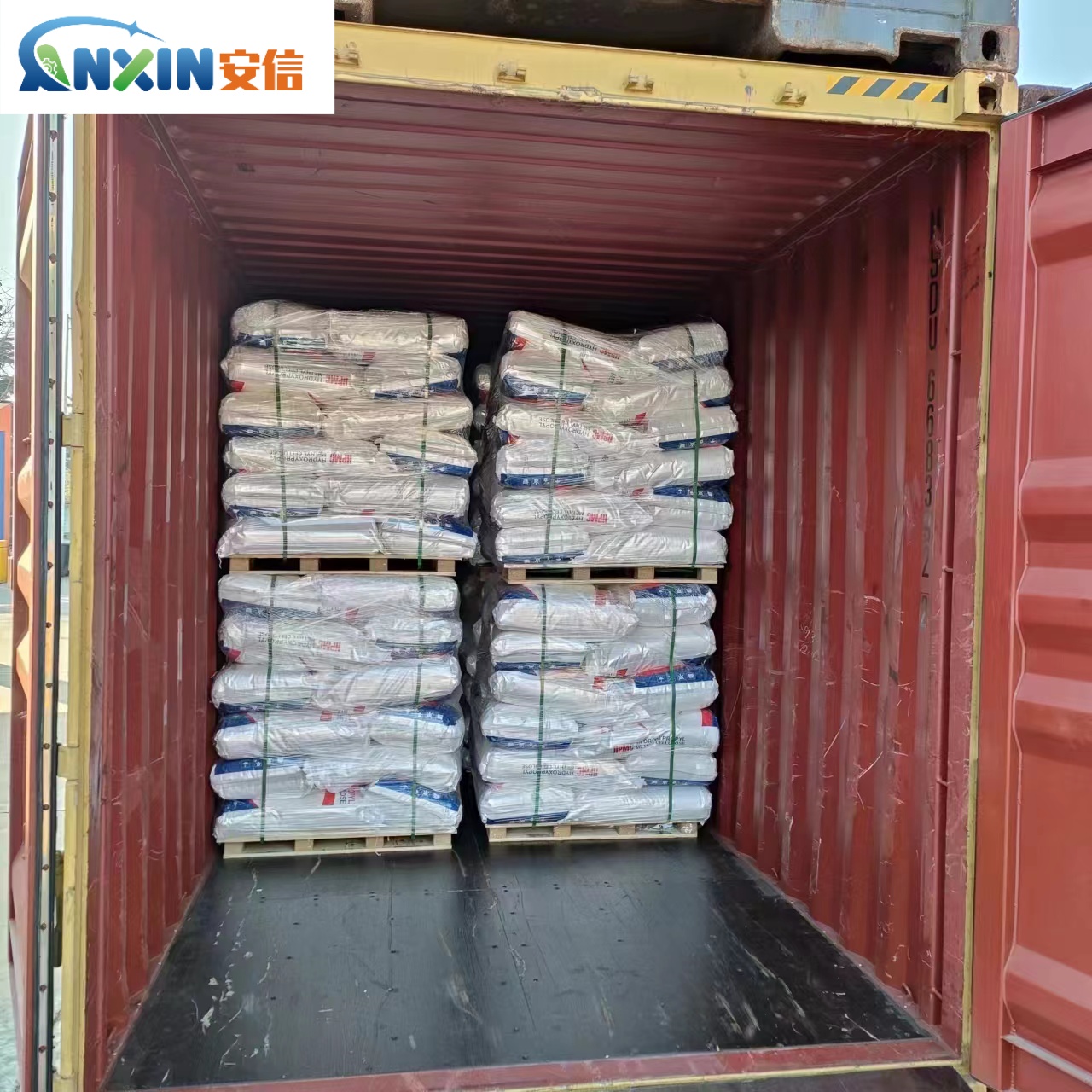
In terms of application performance, HPMC’s properties determine its diverse applications. For example, in the construction industry, it is an essential additive in dry-mix mortar, tile adhesives, and insulation systems, thickening, retaining moisture, and delaying setting time, thereby improving workability and final strength. In the pharmaceutical industry, HPMC is used as a tablet coating material, a sustained-release carrier, and as a replacement for capsule shells. Its safety and stability make it a valuable alternative to gelatin capsules. In food processing, it can be used as an emulsion stabilizer, an anti-melting agent for ice cream, and a finish enhancer for baked goods. In cosmetics, HPMC is commonly found in skin lotions, shampoos, and toothpastes, providing thickening, lubrication, and stabilization.
Due to its unique molecular structure, hydroxypropyl methylcellulose (HPMC) exhibits excellent water solubility, thermal gelation, superior water retention and film-forming properties, and is safe and environmentally friendly. These properties not only establish its application in traditional fields but also provide broad opportunities for the research and development of future functional materials. With the advancement of green chemistry and sustainable development, the role of HPMC will become even more prominent, and its potential for application in emerging industries warrants continued exploration.
Post time: Sep-18-2025