1.Rheology Control and Texture Enhancement: How CMC Improves Mouthfeel and Consistency in Food Products
Carboxymethyl Cellulose (CMC) is widely valued in the food industry for its exceptional ability to control rheology and enhance texture across a broad range of products. As a water-soluble cellulose derivative, CMC hydrates rapidly and forms a viscous, stable solution that significantly influences flow behavior and structural integrity in liquid, semi-solid, and solid food systems.
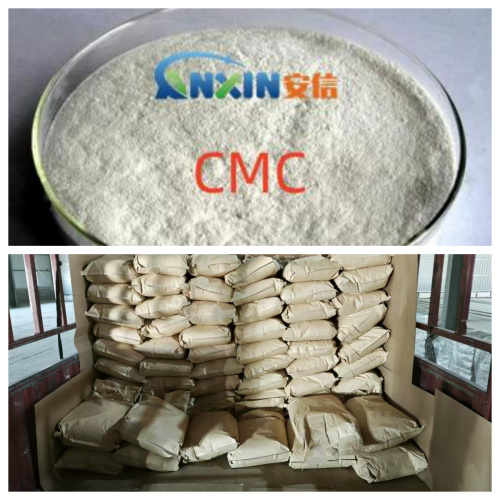
One of the primary functions of CMC is viscosity modification. By adjusting concentration and molecular weight, formulators can precisely tailor thickness, pourability, and spreadability. This is especially important in products such as sauces, dressings, dairy drinks, soups, and dessert fillings, where consistent flow and appealing texture are critical to consumer perception. CMC helps create smooth, uniform textures without lump formation, ensuring a pleasant mouthfeel.
In addition to thickening, CMC contributes to pseudoplastic (shear-thinning) behavior. Foods become less viscous when stirred, pumped, or swallowed, yet regain thickness at rest. This property improves processability during manufacturing while maintaining product stability on the shelf.
CMC also interacts with water and other ingredients to prevent phase separation and sedimentation, preserving homogeneity. Its ability to enhance creaminess and body, even in low-fat formulations, makes it a valuable tool for texture optimization and sensory improvement in modern food products.
2.Water Retention and Stabilization: Preventing Syneresis and Extending Shelf Life
Carboxymethyl Cellulose (CMC) plays a crucial role in improving water retention and stabilization in many food formulations, directly addressing common quality issues such as syneresis, phase separation, and texture degradation during storage. Due to its strong hydrophilic nature, CMC binds and immobilizes free water within the food matrix, helping maintain structural integrity over time.
Syneresis—the undesirable release of water from gels, dairy products, desserts, and sauces—can negatively affect appearance, texture, and consumer acceptance. By forming a stable hydrocolloid network, CMC traps water molecules and reduces their mobility, effectively minimizing water migration and preventing weeping in products like yogurt, jelly, pudding, and pie fillings.
In addition to controlling syneresis, CMC enhances overall product stability by maintaining consistent viscosity and preventing ingredient separation. This is particularly important in beverages, salad dressings, and emulsified sauces where uniformity must be preserved throughout shelf life. CMC also helps maintain moisture in baked goods, reducing staling and extending freshness.
Its stabilizing function supports both refrigerated and ambient storage conditions, making it suitable for a wide variety of food applications. Through improved water management and structural stabilization, CMC significantly contributes to longer shelf life, better appearance, and enhanced consumer satisfaction.
3.Emulsification and Suspension Properties: Maintaining Uniformity in Beverages and Sauces
Carboxymethyl Cellulose (CMC) is highly effective in promoting emulsification and suspension stability in beverages, sauces, and other liquid food systems. Although not a classic emulsifier, CMC enhances emulsion performance by increasing the viscosity of the continuous phase and forming a protective colloidal network that limits droplet movement and coalescence.
In oil-in-water emulsions such as salad dressings, flavored sauces, and dairy beverages, CMC helps maintain uniform dispersion of oil droplets, preventing creaming and phase separation during storage. Its thickening action reduces the mobility of dispersed particles, allowing emulsified systems to remain visually and structurally stable over time.
CMC also plays a critical role in suspending insoluble solids such as cocoa particles in chocolate milk, spices in sauces, pulp in fruit beverages, and mineral fortifiers in nutritional drinks. By creating a stable, viscous medium, CMC keeps these particles evenly distributed, eliminating sedimentation and the need for frequent shaking before use.
CMC contributes to a smooth, consistent texture that enhances the overall sensory experience. Its ability to stabilize both emulsions and suspensions under varying temperature and storage conditions makes it an essential additive for maintaining product quality, uniformity, and consumer appeal in many beverage and sauce applications.
4.Fat Replacement and Calorie Reduction: Supporting Healthier Food Formulations with CMC
Carboxymethyl Cellulose (CMC) has emerged as a versatile ingredient for creating healthier food products by enabling fat replacement and calorie reduction without compromising texture, mouthfeel, or stability. Its water-binding and thickening properties allow it to mimic the creamy, rich sensation typically provided by fats, making it an ideal functional substitute in low-fat or reduced-calorie formulations.
In products such as low-fat dairy desserts, ice creams, spreads, and dressings, CMC forms a viscous, smooth gel network that enhances body and creaminess. This helps compensate for the sensory loss that often occurs when fat content is reduced. By controlling the flow behavior and providing bulk, CMC ensures that reduced-fat products maintain desirable spreadability, scoopability, and pourability.

Beyond texture, CMC also contributes to stability by preventing phase separation and syneresis in emulsions and semi-solid systems. This ensures that reduced-fat products retain their uniform appearance and mouthfeel over time. Moreover, because CMC is a soluble fiber, it can add dietary fiber content to formulations, further supporting health-oriented product claims.
By integrating CMC as a fat replacer, food manufacturers can deliver lower-calorie, nutrient-conscious products that meet modern consumer demands for taste, texture, and overall quality, all while maintaining long shelf life and consistent performance.
Post time: Feb-03-2026