Hydroxyethyl cellulose (HEC), a non-ionic, water-soluble polymer, has wide applications in building exterior wall coating systems. It primarily improves the coating’s workability, water retention, leveling properties, and film-forming quality, making it an indispensable additive in modern exterior wall coating systems.
1. HEC possesses excellent water solubility and thickening properties, forming a stable solution in water-based exterior wall coating systems. After dissolution, it significantly increases the coating’s viscosity, preventing sagging, dripping, or layering during application, thus ensuring uniform coating on the wall surface. Simultaneously, HEC’s thickening effect effectively regulates the coating’s thixotropic properties, maintaining a certain consistency when standing while allowing it to flow easily during mixing or brushing, improving application convenience.
2. HEC exhibits excellent water retention in exterior wall coatings. During the drying process, excessively rapid evaporation of moisture can lead to film shrinkage, cracking, or blistering, affecting the coating’s weather resistance and aesthetics. HEC can slowly release moisture, prolonging the open time of the coating and resulting in a more uniform and dense film formation, improving adhesion and durability after drying. Furthermore, HEC can synergistically work with other additives such as dispersants and leveling agents to further optimize the coating’s application performance and surface smoothness.
3. In exterior wall coatings, HEC can also improve the stability of the coating system. Exterior wall coatings are often high-solids, particulate-dispersed systems, prone to sedimentation or stratification. In water-based systems, HEC can form a network structure, suspending and dispersing pigment and filler particles, effectively preventing sedimentation and ensuring long-term storage stability. This is particularly important for exterior wall coatings used in large-scale construction or long-distance transportation.
4. The amount of HEC added and its molecular weight are also key factors in application. Generally, higher molecular weight HEC provides stronger thickening and water-retention effects, while lower molecular weight HEC is more suitable for coating systems requiring high flowability and sprayability. The dosage of HEC in exterior wall coatings is typically between 0.1% and 0.5%, optimized and adjusted according to different base material types, application methods, and climatic conditions. Excessive addition of HEC may lead to excessively high coating viscosity, affecting application, while insufficient addition will prevent it from fulfilling its intended water retention and leveling functions.
5. HEC also has advantages in environmentally friendly exterior wall coatings. As a non-ionic natural polymer derivative, HEC has low toxicity and is biodegradable, meeting the requirements of modern architectural coatings for low VOC (volatile organic compounds) and environmental performance. Furthermore, the use of HEC does not produce significant chemical reactions with common pigments, fillers, and additives, thus exhibiting good compatibility and stability.
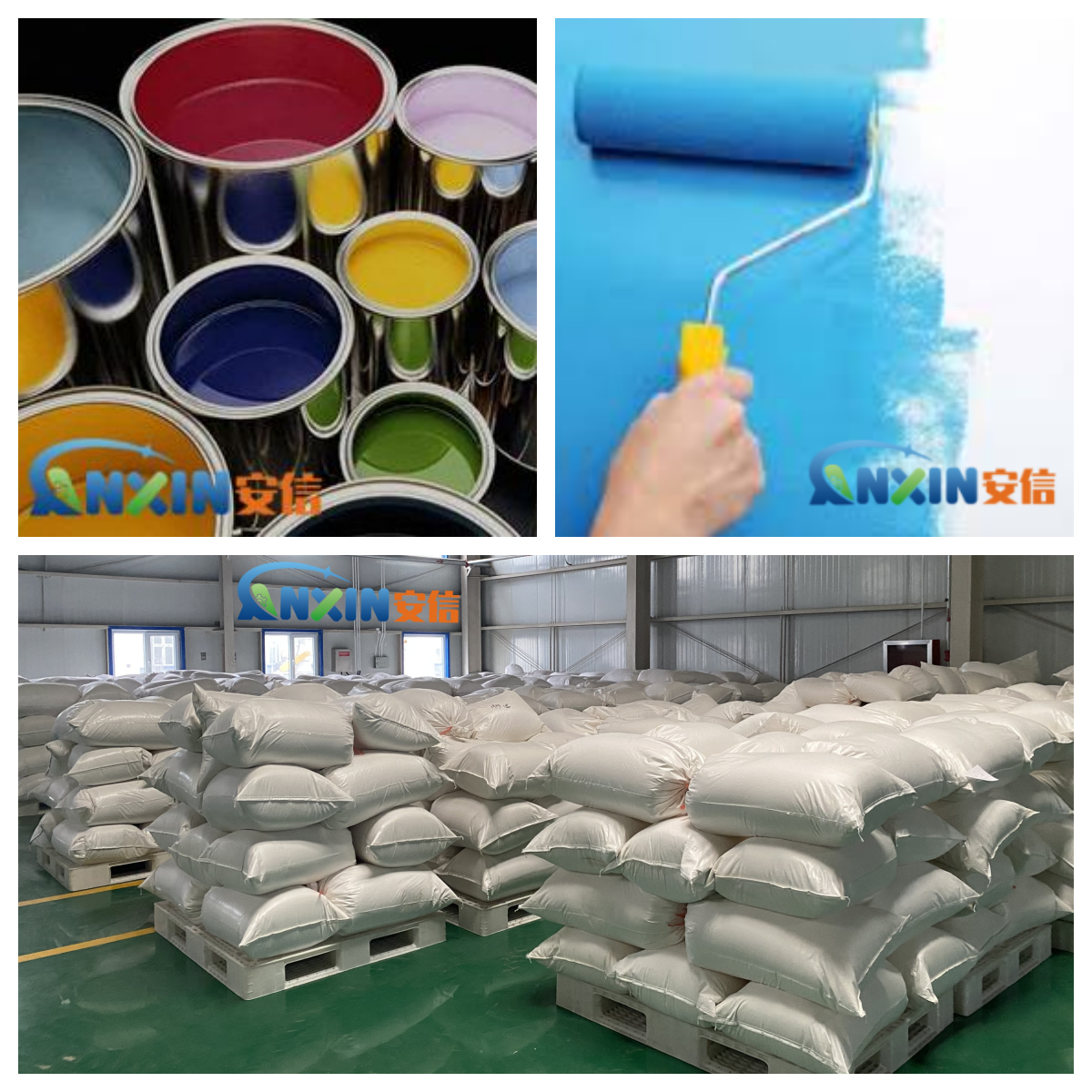
6. The application of HEC in exterior wall coating systems mainly manifests in thickening, water retention, improved application performance, and enhanced system stability. Appropriate selection of HEC type and dosage can significantly optimize the workability, weather resistance, and appearance of the coating, providing reliable support for the research and application of high-performance exterior wall coatings. With the increasing requirements for building energy conservation and environmental protection, the application of HEC in exterior wall coatings will become more widespread, and its functionality and value will continue to be developed and enhanced.
Post time: Nov-21-2025