Construction-grade hydroxypropyl methylcellulose (HPMC) is a commonly used water-soluble cellulose ether. Its excellent water retention, thickening, and stability make it widely used in building materials, especially wall putty. As an important material for building decoration, the workability and final coating effect of wall putty directly affect the aesthetics and durability of buildings. The addition of HPMC can significantly improve the performance of putty, making construction smoother and the wall surface more even.
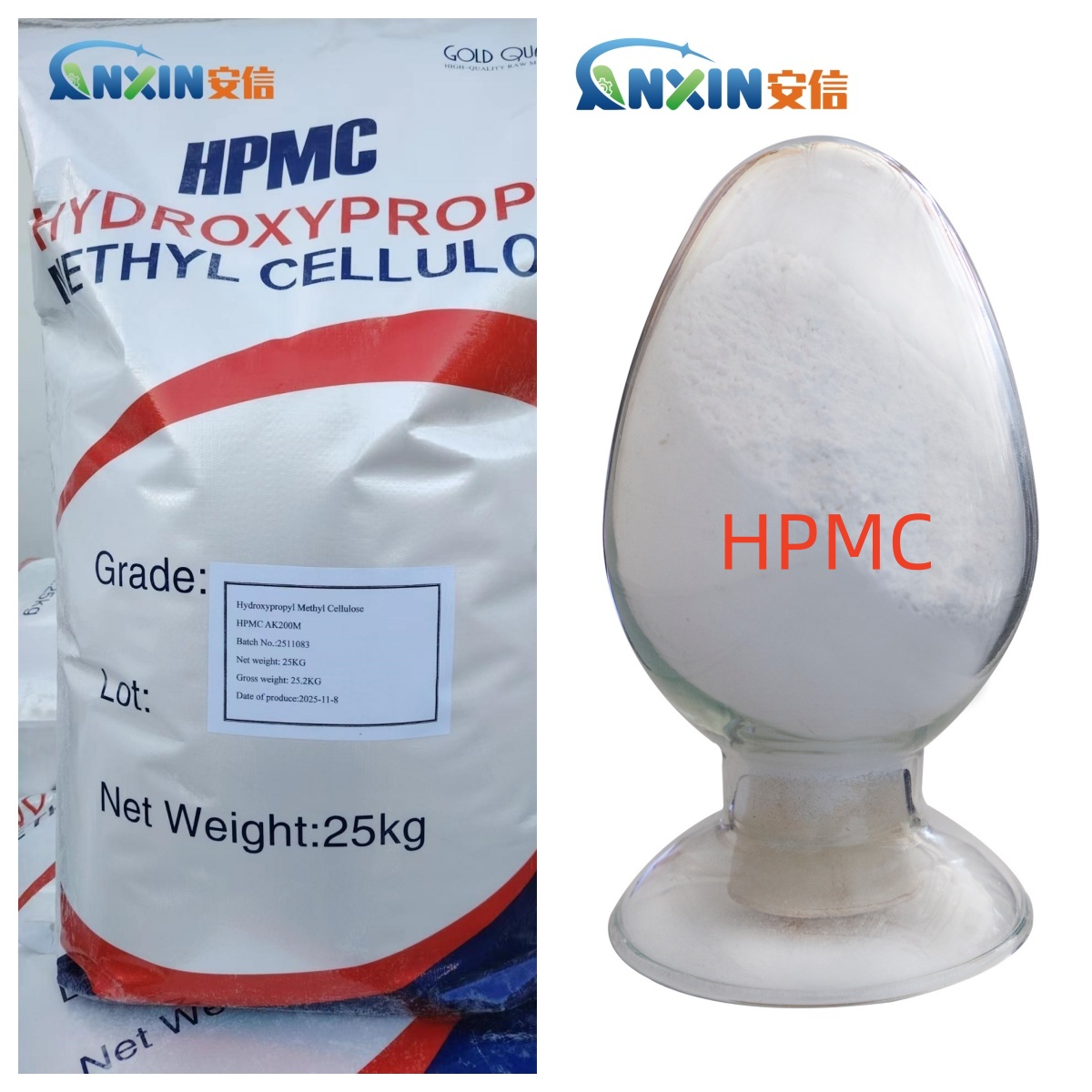
1. The core role of construction-grade HPMC in putty is water retention. Putty needs to be kept in an appropriate moist state during construction to ensure its workability and adhesion. After dissolving in water, HPMC forms a uniform hydrogel network that can lock in moisture and slow down the evaporation rate, thereby extending the open time of the putty and giving the construction workers sufficient time for leveling and finishing during the application process. At the same time, good water retention also prevents the putty from cracking or peeling if it dries too quickly, ensuring the smoothness and durability of the wall surface.
2. HPMC has excellent thickening and suspending properties. Putty powder tends to settle after being mixed with water, forming clumps or water stratification. HPMC increases the viscosity of the aqueous phase, making the putty slurry uniform and stable, allowing the powder to suspend in water and avoiding stratification and settling problems. This not only facilitates the one-time use of putty during construction but also reduces waste and improves construction efficiency.
3. HPMC also improves the adhesion and workability of putty. It forms a continuous network structure in the putty slurry, increasing the adhesion between the putty and the substrate surface and reducing powdering and peeling during construction. Simultaneously, due to its inherent lubricity, HPMC makes the putty smooth and easy to apply, reducing the likelihood of scratches or a grainy feel, thus improving the overall smoothness and decorative effect of the wall surface.
4. In practical applications, the amount and viscosity grade of HPMC used should be rationally selected based on the putty formulation and the construction environment. Generally, low-viscosity HPMC is used in lightweight putty or plastering putty to ensure easy mixing and smooth application; while medium-to-high viscosity HPMC can be selected for thicker putty or leveling putty to enhance water retention and suspension properties. Furthermore, the temperature and humidity at the construction site also affect the water retention of HPMC, requiring appropriate adjustments to the dosage to ensure good workability under different conditions.
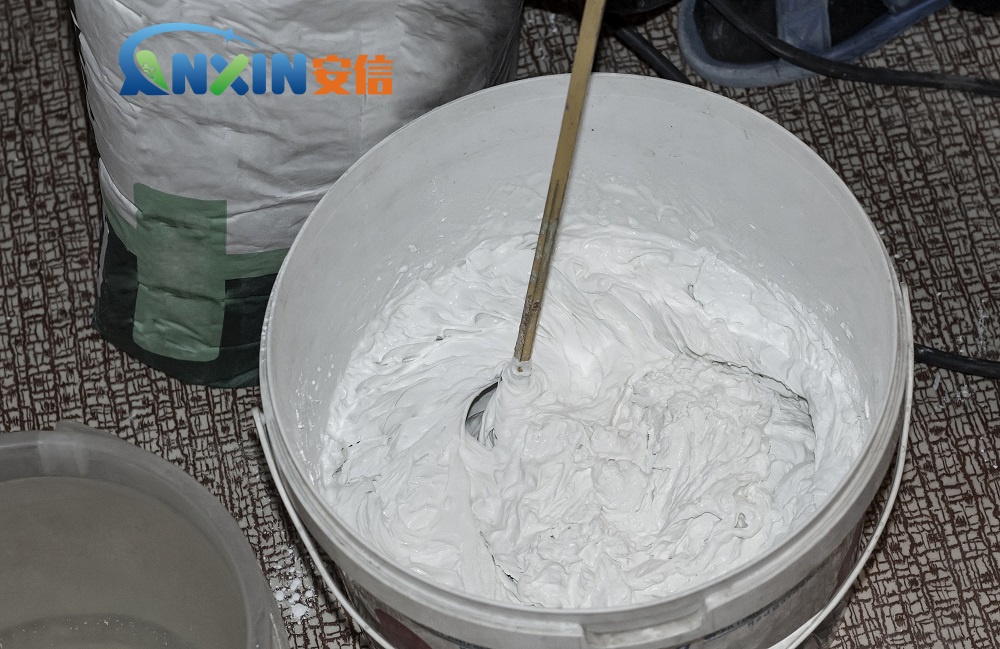
5. Architectural grade HPMC has significant advantages in wall putty applications. By improving the putty’s water retention, thickening properties, adhesion, and workability, HPMC not only enhances construction efficiency but also ensures the aesthetics and durability of the final wall finish. In modern construction, HPMC has become an indispensable additive in putty formulations, playing a crucial role in improving the quality of building materials and construction.
Post time: Nov-19-2025