Carboxymethyl cellulose sodium (CMC) is a water-soluble dietary fiber and functional additive widely used in the food industry. It exhibits excellent thickening, stabilizing, emulsifying, and water-retention properties. Its safety and quality control are directly related to food quality and consumer health. Therefore, countries around the world have established strict regulations and standards for food-grade CMC.
1. International Regulatory Framework for Food-Grade CMC
1.1. FAO/WHO Joint Expert Committee on Food Additives (JECFA)
The Joint Expert Committee on Food Additives (JECFA) of the Food and Agriculture Organization of the United Nations (FAO) and the World Health Organization (WHO) listed CMC on the List of Safe Food Additives as early as 1963.
1.2. INS Number: 466
ADI (Acceptable Daily Intake): “Not specified” indicates high safety within reasonable use.
1.3. Functional Category: Thickener, Emulsifier, Stabilizer
JECFA’s quality requirements for food-grade CMC include purity, degree of substitution (DS 0.6-1.0), pH (6.0-8.5), and heavy metal limits (e.g., lead ≤ 2 mg/kg).
1.4. Codex Alimentarius
The Codex Alimentarius Commission (CAC) defines the scope of use and maximum usage levels of CMC in different food categories in its General Standard for Food Additives (GSFA). For example:
Dairy products (e.g., ice cream, fermented dairy products): Maximum usage level 10,000 mg/kg;
Fruit drinks, sauces, and bakery products: Generally not to exceed 5,000 mg/kg;
Use in infant formula is generally prohibited.
2. China’s Food-Grade CMC Regulatory System
National Food Safety Standard GB 1886.232-2016 “Food Additive – Sodium Carboxymethyl Cellulose”
This standard serves as the basis for quality control of food-grade CMC in my country. Key technical requirements include:
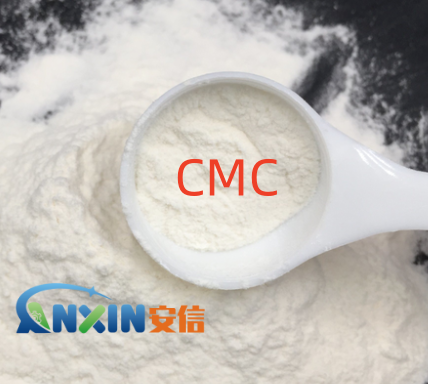
2.1. Appearance: White or slightly yellow powder;
Degree of Substitution (DS): 0.6-0.95;
Purity (dry basis): ≥99.5%;
Viscosity (1% solution): ≥400 mPa·s (depending on the type);
pH: 6.0-8.5;
Loss on Drying: ≤10%;
Heavy Metals (as Pb): ≤2 mg/kg;
Arsenic (As): ≤1 mg/kg.
2.2. Usage Standard: GB 2760 “Standard for Use of Food Additives”
CMC is classified as a thickener and stabilizer and can be used in a wide variety of foods. Common applications and limits are as follows:
Ice cream, jelly, pasta, sauces: Use in appropriate amounts according to production needs;
Beverages: Maximum usage 0.5%;
Dairy products: Maximum usage 0.3%;
Infant and toddler food: Prohibited.
2.3. Regulatory and Registration Requirements
Manufacturers must possess a Food Additive Production License (SC number), and their products must be registered with the State Administration for Market Regulation. Exported products must also comply with the standards of the importing country (e.g., EU E466, US FCC, etc.).
3. Overview of Standards in Europe, America, and Other Regions
3.1. EU Standard (E466)
EU Regulation (EU) No. 231/2012 designates CMC as a food additive designated E466.
It is permitted for use as a thickener and stabilizer.
The requirements for degree of substitution, heavy metal content, and microbiological indicators are generally consistent with those of JECFA.
It is not permitted for use in infant formula.
3.2. US FDA Regulations (21 CFR 182.1745)
CMC is listed as a GRAS (Generally Recognized As Safe) substance and can be used in food.
Its use is based on Good Manufacturing Practice (GMP).
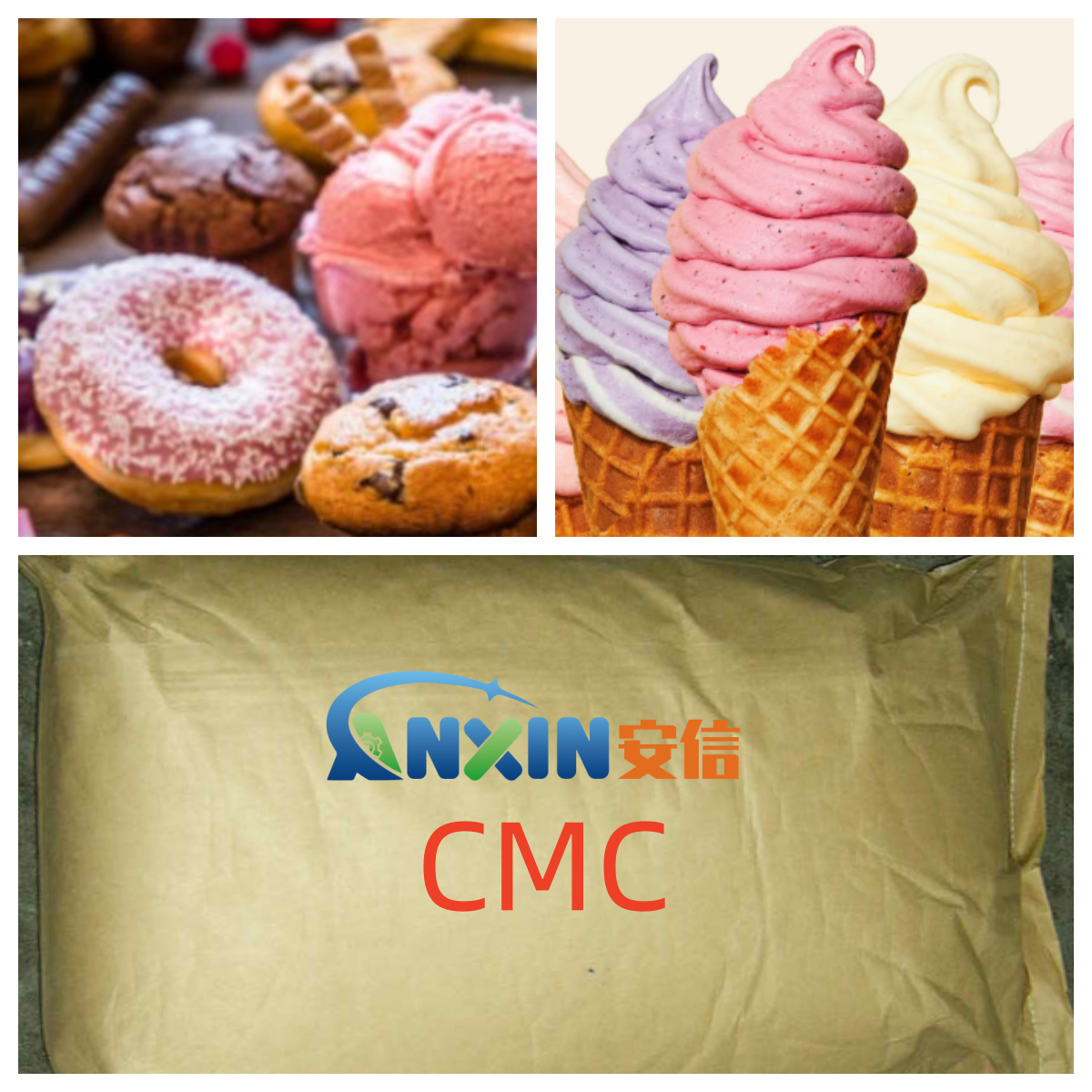
It is primarily used in ice cream, salad dressings, jellies, baked goods, etc.
The FDA requires safe raw material sources and traceable processes.
3.3. Japanese and Korean Standards
The standards of these two countries follow the “Food Additives Standard” and the “Food Additives Standard,” respectively. CMC must meet purity standards and microbial limits, and its scope of use is similar to that of the EU.
4. Key Points in Testing and Quality Control
Testing for food-grade CMC primarily includes physical and chemical properties, purity indicators, and safety indicators:
Physical and chemical tests: viscosity, degree of substitution, pH, moisture, ash content;
Safety tests: heavy metals, arsenic, lead, and total microbial count;
Functional tests: solubility, rheological properties, stability, etc. High-quality food-grade CMC should exhibit characteristics such as high transparency, no odor, good solubility, and a stable rheological profile.
5. Regulatory Trends and Industry Development
With the rise of “clean label” and healthy consumption trends, food-grade CMC is becoming more strictly regulated:
The production process must be free of harmful residual solvents (such as isopropyl alcohol);
The shift toward “naturally sourced” and “biodegradable fibers” is underway;
Companies must obtain multiple certifications, including ISO 22000, HACCP, HALAL, and KOSHER.
In the future, CMC regulations and standards will further align with international standards, placing greater emphasis on source safety, environmental friendliness, and human health impacts.
The regulatory and standard system for food-grade CMC is becoming increasingly comprehensive, covering the entire supply chain from raw materials, production, and use. Companies should strictly adhere to national standards such as GB 1886.232 and GB 2760 during R&D and export, and monitor updates from JECFA, the EU, and the FDA. Only by using it reasonably within the regulatory framework can we ensure that the function and safety of CMC in food are given equal importance and promote the sustainable development of the food industry.
Post time: Oct-27-2025