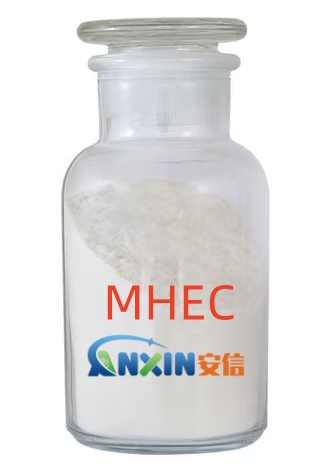
Hydroxypropyl methylcellulose ether (MHEC), a commonly used cellulose ether in dry-mix mortar systems, plays a crucial role in tile adhesives and putty powders, providing thickening, water retention, and improved workability. It is an important additive affecting material performance stability and construction experience. As building decoration materials develop towards high quality, lightweight, and environmentally friendly directions, the advantages of MHEC are becoming increasingly prominent, making it irreplaceable in both tile adhesive and putty powder systems.
1. Advantages of MHEC in Tile Adhesive Applications
1.1. Significantly Improved Water Retention Rate, Preventing Early Dehydration
Tile adhesives need to retain sufficient moisture after application to ensure effective cement hydration. MHEC has excellent water retention capabilities, firmly locking in moisture and preventing rapid water absorption from the substrate and environment, thereby:
Improving the bonding strength of the tile adhesive;
Reducing the risk of hollow spots and detachment;
Improving wet-laying performance, adapting to the construction needs of large-size tiles.
The high water retention of MHEC is particularly suitable for highly absorbent substrates, dry climates, and summer construction.
1.2. Improved Application and Scraping Performance
MHEC possesses excellent rheological control capabilities, giving tile adhesive the following characteristics:
Smoother application;
Uniform thickness control;
Non-stringing and non-stick properties.
For workers, it’s easier to create uniform serrations, improving work efficiency.
1.3. Excellent Anti-Slip Properties
MHEC effectively regulates the thixotropy of tile adhesive, increasing its fluidity under shear force and rapidly restoring its consistency after application. This characteristic directly enhances the initial tack of tiles, thereby:
Preventing tile sagging;
Improving vertical laying stability;
Reducing rework.
The trend towards larger, heavier tiles makes MHEC anti-slip advantage increasingly important.
1.4. Extended Open Time and Improved Tolerance
MHEC, through water retention and rheological control, slows down the rate of water loss from the tile adhesive surface, allowing installers more time for tiling operations, especially suitable for large-area applications, improving construction efficiency and finished product quality.
2. Advantages of MHEC in Putty Powder
2.1. Improved Water Retention, Ensuring Uniform Putty Film Formation
Thin putty layers are susceptible to problems like shrinkage, cracking, and powdering if water retention is poor. MHEC high water retention capacity can:
Prevent premature water loss from the putty;
Ensure uniform drying and curing;
Avoid bubbling, powdering, and cracking.
MHEC importance is particularly pronounced when applying exterior wall putty or in high-temperature environments.
2.2. Enhanced Workability and Smoothness of Application
MHEC significantly improves the lubricity of the putty, making application easier:
Smoother and less strenuous application;
A smoother, finer surface;
Less prone to scraping and residue buildup.
This directly contributes to improved wall smoothness and better adhesion of subsequent paints.
2.3. Improved Rheological Properties of Putty
Through thickening and thixotropic adjustments to the system, MHEC gives the putty powder the following characteristics:
High consistency at rest, preventing sagging;
Enhanced flowability under shear, making it easy to apply;
Strong adaptability to different application speeds and techniques.
Therefore, both novice and experienced workers can achieve a better application experience.
2.4. Enhanced Adhesion and Strength Stability of Putty
MHEC water retention and dispersing abilities facilitate the full hydration of cement, cement substitutes, and other components, improving the bond strength between the putty and the substrate, reducing quality problems such as cracking and delamination, and simultaneously making the putty film denser and more durable.
3. Common Advantages of MHEC in Both Systems
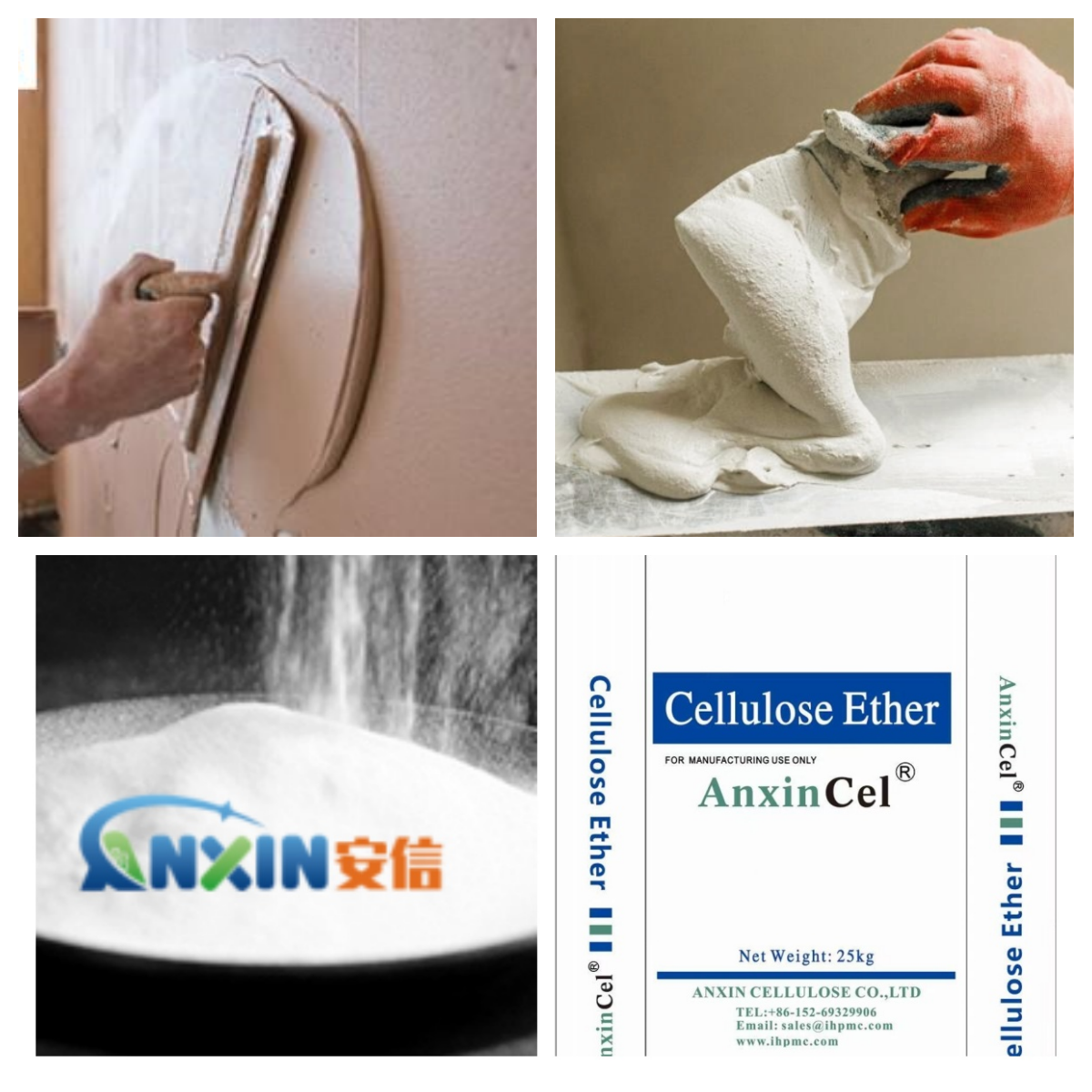
Whether in tile adhesives or putty powders, the comprehensive advantages of MHEC are manifested in the following aspects:
It combines thickening and thixotropic effects, improving system stability
It improves workability and increases efficiency
It enhances the adhesion between the material and the substrate
It significantly optimizes water retention, ensuring strength development
It improves the final surface quality and durability
As a high-performance cellulose ether, MHEC plays an indispensable role in both tile adhesives and putty powders. Through its excellent water retention, rheological regulation, thickening, and workability-improving effects, MHEC can significantly improve the workability, adhesion, and finished product quality of materials, making it one of the core additives for improving performance and stability in modern dry-mix mortar systems. For manufacturers, rationally selecting MHEC varieties with suitable viscosity, degree of substitution, and gel temperature can significantly enhance product competitiveness and market reputation.
Post time: Nov-20-2025