Hydroxypropyl methylcellulose (HPMC) is a high-performance water-soluble polymer material widely used in modern dry-mix mortars, playing an indispensable role, especially in tile adhesive systems. With the increasing popularity of thin-bed tile installation and large-format tiles, higher demands are placed on the workability, bond strength, and stability of tile adhesives. HPMC is one of the key functional additives that enables this balance of performance.
The most crucial function of HPMC is to improve the water retention of tile adhesives. Tile adhesives require sufficient water during application to ensure complete hydration of the cement. If water retention is insufficient, water is easily absorbed by the substrate or tiles, leading to incomplete cement hydration and a significant decrease in bond strength. When dissolved in water, HPMC forms a uniform polymer network structure, effectively locking in free water and significantly delaying water loss, allowing the tile adhesive to maintain stable bonding performance during its open time. This is especially important for substrates with high water absorption or for construction in dry, high-temperature environments.
HPMC significantly improves the workability and handling properties of tile adhesives. By adjusting different viscosity grades of HPMC, the tile adhesive can achieve a fine and smooth mixing consistency, with moderate resistance during application, preventing sagging or cracking. Good thixotropy allows the tile adhesive to become more fluid under stress and quickly regain its consistency after the stress is removed, facilitating the formation of the notched trowel pattern, improving the uniformity of tile laying and construction efficiency, and reducing material waste.
HPMC also plays a prominent role in anti-slip and anti-sagging performance. In wall tile installation, the weight of the tiles can easily cause slippage, affecting construction accuracy and even leading to delamination. By improving the yield stress and structural stability of the system, HPMC enables the tile adhesive to possess excellent anti-slip properties while maintaining good bonding strength, ensuring that the tiles remain stable and do not shift during the initial positioning stage, meeting the requirements for slip resistance in relevant standards such as EN12004.
HPMC also helps to improve the bond strength and durability of tile adhesives. A good water retention environment promotes complete cement hydration, forming a dense hydrated product structure, thereby enhancing the interfacial bonding between the tile adhesive and the substrate and the back of the tiles. Meanwhile, HPMC can also improve the microstructure of mortar, reduce drying shrinkage stress, and minimize the generation of microcracks, thus positively impacting long-term bonding stability and aging resistance.
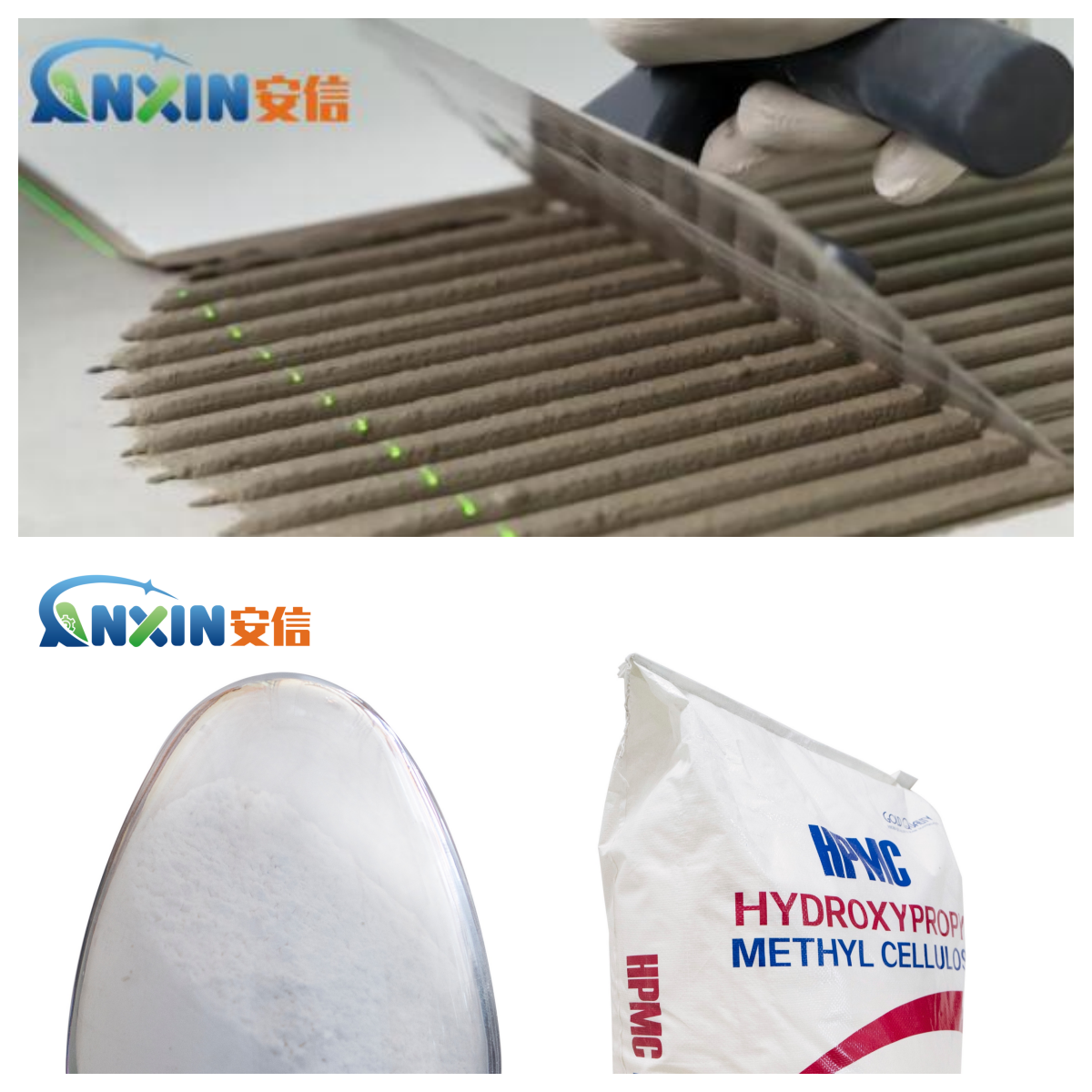
In practical applications, the proper selection of HPMC viscosity and degree of substitution is crucial. Low-viscosity HPMC is more conducive to flowability and lubrication, while medium-to-high viscosity HPMC performs better in water retention and anti-slip properties. Typically, the amount of HPMC added to tile adhesive formulations is low, but its impact on performance is significant. Therefore, targeted selection is necessary based on the type of tile, construction method, and climate conditions.
Post time: Dec-29-2025